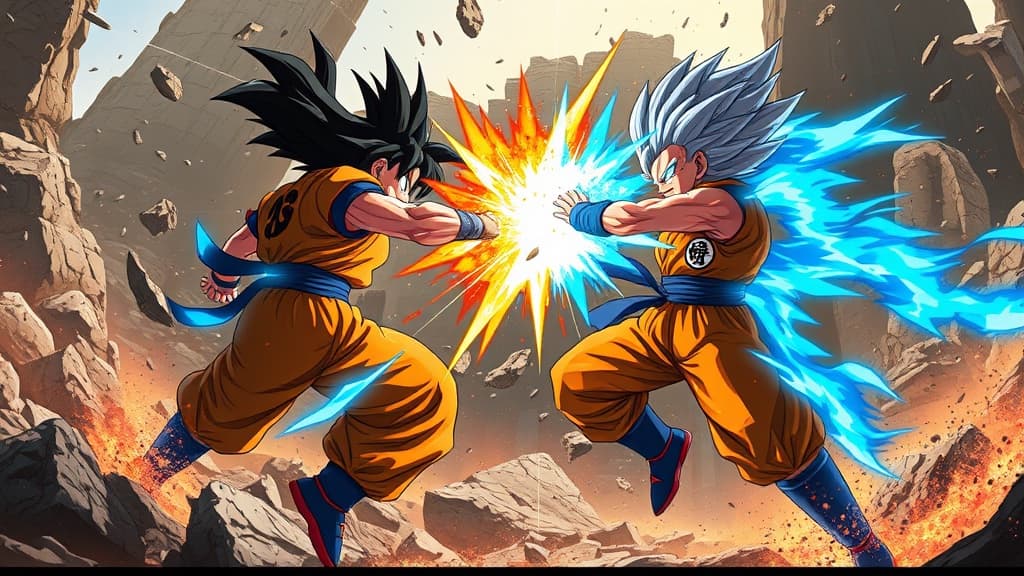
Panduan Beginner Dragon Ball Sparking Zero: Combat, Progression, dan Tip Online
Kemas Kini Terakhir: Invalid Date
Panduan Beginner Dragon Ball Sparking Zero: Combat, Progression, dan Tip Online
Dragon Ball Sparking Zero memang exactly macam yang fan nak: roster besar gila, arena fight yang meletup-letup, dan beam clash secukupnya untuk cairkan skrin kau. Tapi game ni juga nampak lagi confusing daripada yang sebenar. Bila kau dah faham movement, pengurusan ki, defense, dan beberapa asas pressure, game ni jadi jauh lebih senang untuk dibaca.
Panduan ni untuk beginner yang nak berhenti main hentam saja dan mula menang, lagi-lagi kalau kau datang daripada anime fighter kasual, couch match dekat console, atau tabiat very SEA iaitu belajar game dulu melalui pure chaos.
Apa yang buat Sparking Zero susah untuk player baru?
Tak macam fighter 2D tradisional, Sparking Zero dibina around movement 3D yang laju, posisi aerial, vanish counter, dan pengurusan resource. Kebanyakan beginner kalah sebab benda yang sama:
- mereka habiskan semua ki terlalu awal
- mereka attack tanpa henti dan lupa nak block
- mereka asyik rush dari angle yang sama
- mereka tukar character terlalu kerap sampai tak sempat betul-betul belajar
Kalau kau baiki tabiat ni, improvement kau akan jauh lebih laju berbanding orang yang cuma cuba landing super flashy.
Mula dengan character yang simple
Ya, kau boleh terus pilih character favourite kau yang monster-tier. Tapi kalau kau betul-betul nak belajar game ni, mula dengan someone yang balanced.
Pilihan beginner yang bagus:
- Goku (base atau variant awal) — all-rounder yang clean, senang nak faham
- Vegeta — pressure straightforward dan kawalan ranged yang solid
- Piccolo — spacing mantap dan fundamentals yang bagus
- Teen Gohan — offense simple dengan follow-up yang reliable
- Future Trunks — rhythm yang senang untuk neutral dan melee pressure
Character macam ni bantu kau belajar core system, bukan carry kau dengan gimmick pelik.
Movement datang dulu sebelum combo
Silap paling besar beginner ialah boost terus ke arah lawan setiap kali. Mungkin benda ni jalan lawan CPU yang senang, tapi player sebenar akan punish cepat.
Fokus pada asas movement ni dulu:
- dash masuk dan keluar daripada sentiasa commit
- tukar ketinggian supaya approach kau tak mudah dibaca
- pusing dan reposition daripada fight dalam satu line saja
- guna burst movement pendek daripada terbang liar satu map
Satu rule simple boleh bantu: bergerak dengan sebab, lepas tu baru attack. Kalau kau tak sedang cipta angle, bait reaction, atau buka space, besar kemungkinan kau cuma bazir ki.
Pengurusan ki memang segalanya
Ki bukan setakat untuk super yang flashy. Ia bagi tenaga untuk movement, pressure, escape option, dan vanish defense. Beginner selalu kosongkan satu bar untuk satu combo besar, lepas tu kena punish sebab dah tak ada apa-apa tinggal.
Cara yang lebih bijak untuk fikir pasal ki:
- simpan sikit untuk approach
- simpan sikit untuk offense
- sentiasa simpan sikit untuk defense
Kalau setiap exchange kau habis dengan zero ki, maknanya kau tengah berjudi. Dalam match online, benda tu biasanya berakhir teruk.
Pastikan offense kau simple
Kau tak perlukan combo route yang panjang untuk mula menang. Kau perlukan offense yang clean.
Flow attack beginner yang bagus nampak macam ni:
- rapatkan jarak tanpa bazir terlalu banyak ki
- mulakan dengan melee string yang simple
- tengok macam mana lawan react
- sambung hanya kalau hit tu memang clear masuk
- reset kalau mereka recover atau defend dengan baik
Part terakhir tu penting. Ramai beginner terus tekan walaupun mereka dah hilang advantage. Game ni laju, jadi overcommit pun memang cepat kena punish.
Tip offense awal
- guna ki blast untuk kacau rhythm
- jangan baling super raw setiap kali meter dah ready
- tukar angle approach kau
- habiskan combo pendek dengan selamat kalau kau tak yakin
- lepas knockback, fikir sama ada nak chase tu berbaloi atau tak
Kadang-kadang follow-up terbaik bukan chase pun. Ia ialah undur balik, recharge, dan paksa lawan bergerak dulu.
Defense lagi penting daripada yang kau sangka
Sebab Sparking Zero ni memang dramatik, beginner biasanya fokus pada offense saja. Itu perangkap. Defense yang bagus menang banyak match.
Bina tabiat ni awal-awal:
- block dulu, counter kemudian
- jangan mash masa lawan tengah pressure
- guna vanish dengan cermat, bukan random
- cari pattern yang mereka ulang dalam approach
- hormat character kuat bila ki kau rendah
Block dalam game ni bukan pasif. Ia bagi info. Kalau lawan kau asyik rush lepas setiap knockback, fishing untuk beam attack dekat mid-range, atau paksa vanish war, kau dah boleh mula plan around benda tu.
Vanish battle, jangan panik
Vanish exchange ialah antara part paling cool dalam game ni, tapi dekat sinilah beginner selalu bazir terlalu banyak resource.
Bila vanish sequence bermula:
- kekalkan timing kau steady
- tengok ki bar kau
- jangan anggap kau wajib terus match sampai habis
- sanggup reset daripada paksa anime moment
Ramai player kalah round sebab mereka cuba “menang” vanish sequence, bukan sekadar survive. Kalau ki kau dah rendah, panjangkan exchange tu biasanya trade yang buruk.
Macam mana nak handle character progression
Roster dia besar, tapi progress awal akan jadi lebih baik kalau kau kekal disiplin.
Path progression yang bagus:
1. Pilih satu main
Belajar movement speed character tu, jarak melee dia, dan timing special dia.
2. Tambah satu backup
Pilih someone dengan feel yang berbeza supaya kau boleh adjust ikut matchup.
3. Belajar apa yang character lawan nak buat
Ada yang nak pressure jarak dekat. Ada yang rely pada beam. Ada yang jadi menakutkan cuma bila ki mereka penuh. Bila kau faham pattern ni, game akan rasa jauh lebih perlahan.
Character mastery dalam Sparking Zero kurang tentang hafal seluruh roster, dan lebih kepada faham macam mana main kau interact dengan ancaman yang biasa jumpa.
Cara terbaik untuk practice
Kalau kau cuma grind random match, improvement memang lambat. Rutin beginner yang lebih berguna nampak macam ni:
Belajar movement dalam training
Luangkan beberapa minit untuk test dash range, vertical movement, dan recovery lepas attack yang kau selalu guna.
Practice satu combo yang reliable
Bukan combo paling fancy. Cuma satu route yang kau boleh landing konsisten lepas opening yang clean.
Test special kau pada range berbeza
Ada attack yang nampak universal tapi sebenarnya cuma jadi elok lepas knockback tertentu atau spacing tertentu.
Guna CPU untuk struktur, bukan ego
Match lawan CPU bagus untuk belajar button dan timing. Ia tak bagus untuk ajar real mindgame kalau kau cuma farm easy win.
Review kekalahan kau dengan jujur
Tanya diri sendiri:
- adakah aku bazir ki?
- adakah aku asyik approach dari satu angle saja?
- adakah aku terlalu banyak mash masa defense?
- adakah aku chase bila sepatutnya reset?
Itu jauh lebih berguna daripada salahkan roster.
Tip online untuk pemain SEA
Online ialah tempat tabiat selekeh kau akan terbongkar. Kau akan jumpa player yang tahu vanish timing, bait pattern, dan setiap beam setup menyakitkan yang ada.
Ingat rule ni:
- guna round pertama untuk kumpul maklumat
- berhenti ulang tabiat yang dah kena punish
- simplify game kau kalau connection rasa tak stabil
- utamakan confirm pendek daripada extension tamak
- jangan rematch masa tilted
Untuk player SEA, kualiti connection boleh berubah ikut siapa yang kau queue lawan dan waktu kau main. Kalau satu match rasa inconsistent, main lebih clean. Pressure fancy yang berat pada timing memang jauh kurang reliable bila connection kasar.
Kalau DLC, special edition, atau character pack jadi sebahagian daripada keputusan membeli kau, nilai value tu dalam RM kalau kau dekat Malaysia. Upgrade yang nampak flashy cuma berbaloi kalau kau betul-betul guna roster atau mode tambahan tu.
Silap beginner yang biasa berlaku
Bakar semua ki untuk offense
Nampak cool. Kalahkan round.
Sentiasa approach secara head-on
Player bagus memang suka movement yang predictable.
Baling super tanpa setup
Damage besar cuma penting kalau benda tu betul-betul kena.
Tak mahu block
Kalau kau tak pernah slow down, kau takkan belajar.
Tukar main setiap sesi
Itu bukan variety. Itu reset progress sendiri.
Checklist terakhir
Sebelum sesi seterusnya, fokus pada ni:
- pilih satu main yang beginner-friendly
- belajar movement sebelum combo panjang
- simpan ki untuk defense, bukan offense saja
- berhenti mash masa kena pressure
- practice satu combo route yang reliable
- simplify keputusan kau dalam match online
- review tabiat sendiri lepas kalah
Sparking Zero memang paling sedap bila chaos dia mula masuk akal. Bila kau berhenti anggap setiap fight sebagai random beam contest, sistem dia cepat sangat terbuka. Main lebih clean, urus ki kau dengan betul, dan biar flashy moment tu datang secara natural. Masa tu baru game ni betul-betul click.