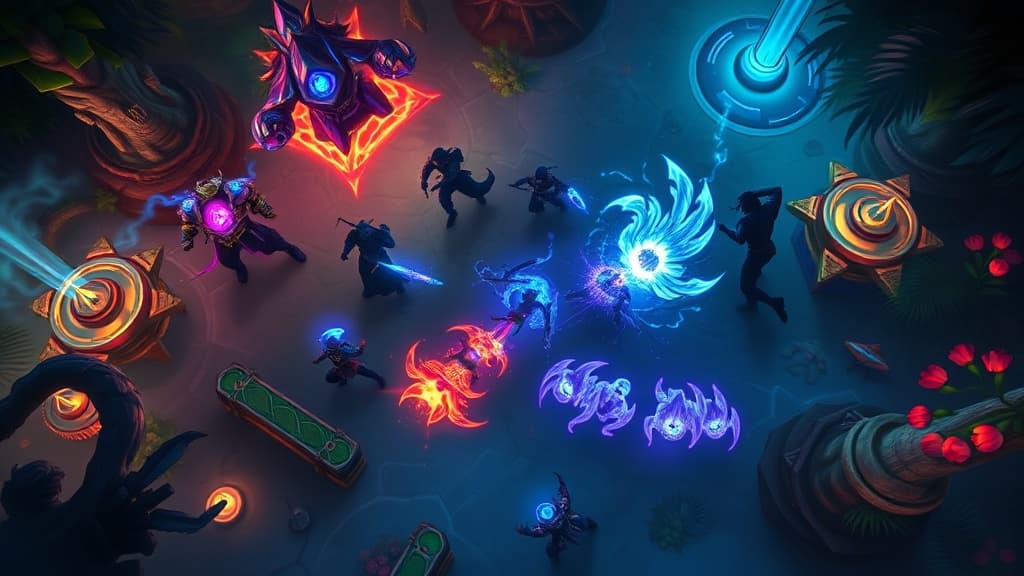
Wild Rift Panduan Pemula — Semua Yang Korang Perlu Tahu
Kemas Kini Terakhir: 30 Mac 2025
Apa Itu Wild Rift?
League of Legends: Wild Rift adalah adaptasi mobile dan console untuk PC MOBA legendaris Riot Games, League of Legends. Bukan straight port, Wild Rift dibina dari scratch untuk touchscreen controls dan sesi permainan yang lebih pendek. Matches biasanya ambil 15 hingga 20 minit, jauh lebih accessible dari 30 hingga 45 minit games yang common di PC. Dua team lima players setiap satu pilih champion, masuk ke symmetrical three-lane map yang dipanggil Rift, dan compete untuk hancurkan Nexus musuh — core structure dalam base mereka.
Wild Rift launch di Southeast Asia dan sejak tu jadi salah satu mobile games paling popular di region. Kalau korang main dari SEA server, korang akan jumpa fast queue times, thriving ranked ladder, dan competitive esports scene yang disokong oleh Riot Games' regional events dan annual Icons Global Championship.
Roles dan Lanes
Map ada tiga lanes dan kawasan jungle di antaranya. Setiap player isi satu dari lima roles:
Baron Lane (Solo Lane) berada di atas map. Lane ni biasanya diisi oleh bruisers atau tanks yang boleh handle sendiri dalam isolated 1v1 matchups. Champions macam Darius, Garen, dan Fiora thrive sini.
Mid Lane adalah lane paling pendek dan berada di tengah map. Mid laners biasanya mages atau assassins dengan strong wave-clear dan roaming potential. Ahri, Yasuo, dan Zed adalah popular choices.
Dragon Lane (Duo Lane) adalah bottom lane di mana ADC (attack damage carry) dan Support main bersama. ADC fokus farming gold dan scaling jadi late-game damage dealer, manakala Support protect mereka dan provide vision.
Jungle adalah role yang operate antara lanes, clearing neutral monster camps untuk gold dan experience. Junglers gank lanes, secure Dragon dan Baron objectives, dan control pace early game. Lee Sin, Vi, dan Evelynn adalah strong jungle picks.
Champion Classes
Champions Wild Rift jatuh dalam beberapa broad classes, setiap satu ada distinct role dalam team fights:
Fighters adalah melee champions dengan mix damage dan durability. Mereka excel dalam extended trades dan thrive di Baron lane.
Tanks absorb damage dan initiate fights dengan crowd control abilities. Mereka protect carries dan disrupt enemy backline.
Mages deal sustained atau burst magic damage dari range. Mereka control zones map dengan area-of-effect abilities dan scale well dengan items.
Assassins specialize dalam eliminate high-value targets dengan cepat. Mereka fragile tapi mobile, dart masuk dan keluar fights untuk pick off enemy carries.
Marksmen deal consistent physical damage dari range guna auto attacks. Mereka primary damage source dalam late-game team fights tapi require protection dari team.
Supports provide healing, shielding, crowd control, dan vision. Mereka enable team berbanding deal damage sendiri dan crucial untuk keep carries hidup.
Gold dan Items
Gold adalah currency yang fuel power champion korang. Korang earn gold dengan last-hitting enemy minions, destroying turrets, killing enemy champions, dan clearing jungle camps. Last-hitting — tindakan landing killing blow pada minion — adalah source income paling reliable dan fundamental skill untuk develop awal.
Korang spend gold pada items di shop, yang accessible di base atau melalui quick-buy menu. Items provide stats macam attack damage, ability power, armour, dan magic resistance. Kebanyakan champions ada core build tiga hingga empat items yang mereka rush setiap game, followed by situational items yang adapt kepada enemy team composition. Wild Rift's recommended builds adalah solid starting point, tapi belajar adjust build berdasarkan match state akan bagi korang meaningful advantage.
Boots adalah must-buy dalam setiap game. Mereka increase movement speed dan boleh di-enchant dengan active abilities macam dash, stasis, atau shield yang provide crucial utility dalam fights.
Objectives dan Map Control
Menang dalam Wild Rift bukan pasal getting kills je. Objectives adalah primary path ke victory, dan faham bila nak prioritize mereka bezakan good players dari great ones.
Turrets protect setiap lane dan mesti dimusnahkan untuk reach enemy Nexus. Ambil turrets buka map, grant team korang global gold, dan create pressure yang force enemy respond.
Dragons spawn di Dragon pit di bottom side map. Setiap elemental dragon provide permanent team-wide buff, dan secure multiple dragons grant powerful Elder Dragon buff yang boleh swing game secara decisive.
Rift Herald spawn di top side map masa early-to-mid game. Defeat dia grant summonable ally yang charge down lane dan deal massive damage ke turrets — excellent tool untuk accelerate push korang.
Baron Nashor replace Rift Herald later dalam game dan adalah objective paling impactful di map. Baron buff empower minions team korang dan grant bonus stats, buat siege dan close out game jadi significantly lebih senang.
Vision essential untuk objective control. Letak wards dalam river bushes, dekat Dragon dan Baron pits, dan dalam enemy jungle untuk track opponent movements.
Team Fights
Team fights adalah climactic moments yang decide kebanyakan Wild Rift games. Positioning adalah segalanya: marksmen dan mages patut stay di backline deal damage dari safety, manakala tanks dan fighters create space dengan engage atau peel untuk carries.
Fokus target enemies yang betul. Dive past frontline untuk reach enemy ADC memang tempting, tapi kalau ia kos nyawa korang sebelum korang deal meaningful damage, ia tak berbaloi. Sebaliknya, hit closest enemy yang korang boleh safely attack dan tunggu opportunity untuk reach priority targets.
Guna abilities dengan purpose. Crowd control abilities macam stuns dan knock-ups patut di-chain bersama untuk maximum impact, dan ultimates patut disimpan untuk moments bila mereka boleh hit multiple enemies atau secure kill pada key target.
Kesilapan Pemula Yang Biasa
Overextend tanpa vision. Push past river tanpa wards ialah jemputan untuk enemy jungler gank korang. Sentiasa ward sebelum push.
Ignore minimap. Minimap beritahu korang di mana enemies ada dan takde. Kalau multiple enemies missing, play cautiously dan assume mereka datang untuk korang.
Kejar kills masuk unwarded territory. Low-health enemy yang retreat masuk fog of war selalu bait. Ambil turret atau objective instead of risk death untuk kill yang mungkin tak jadi.
Abaikan farming. Kills memang flashy, tapi consistent minion farming generate gold lebih reliable sepanjang game. Aim sekurang-kurangnya tujuh minions per minute sebagai baseline.
Build items sama setiap game. Adapt build korang kepada enemy team composition itu critical. Kalau mereka ada heavy magic damage, beli magic resistance. Kalau mereka ada fed assassin, consider defensive item lebih awal dari biasa.
Ranked Mode
Ranked mode di mana competitive depth Wild Rift betul-betul shine. Ladder span sepuluh tiers: Iron, Bronze, Silver, Gold, Platinum, Emerald, Diamond, Master, Grandmaster, dan Challenger. Setiap tier bawah Master dibahagikan kepada empat divisions, dan korang climb dengan earn Victory Points melalui wins.
Placement matches di awal setiap season determine starting rank korang. Dari situ, consistent performance dan win streaks propel korang ke atas, manakala losing streaks trigger demotion protection yang bagi buffer sebelum drop tier. Seasonal rewards termasuk exclusive skins dan profile borders incentivize capai higher ranks.
Di SEA region, ranked competition memang intense. Server's large player base pastikan competitive matchmaking di setiap tier, dan region's vibrant esports scene — featuring Riot-backed tournaments dan community-organised leagues — provide aspirational goals untuk players yang nak test skills mereka beyond ranked ladder.
Berkembang Sebagai Player
Improvement dalam Wild Rift ialah gradual process yang dibina atas repetition, self-reflection, dan willingness belajar dari kekalahan.
Review replays korang. Replay system Wild Rift bagi korang tengok games dari mana-mana perspective. Selepas kalah, kenal pasti moments di mana korang mati tak perlu atau miss objective, dan buat conscious effort untuk betulkan mistakes tu dalam future games.
Hadkan champion pool korang. Main dua tiga champions dengan bagus jauh lebih effective dari main sepuluh champions dengan teruk. Deep familiarity dengan damage thresholds, cooldowns, dan matchups champion bagi korang decisive edge.
Tengok high-level gameplay. Content creators dan pro players merentasi YouTube, Twitch, dan TikTok selalu publish educational content, terutamanya dalam SEA community di mana Wild Rift viewership massive.
Main dengan intent. Setiap game patut ada focus area, sama ada improve CS numbers, track enemy jungler, atau practice specific champion combo. Mindless grinding lead ke stagnation; deliberate practice lead ke growth.
Stay positive. Tilt adalah musuh improvement. Bila korang kalah dua tiga games berturut-turut, ambil rehat. Return ke game dengan clear head lebih productive dari queue up frustrated dan repeat mistakes yang sama.