返回攻略
Invincible VS Fighting Game Guide: Best Starter Teams, Tag Mechanics, and Early Combo Tips
排行榜

Invincible VS Fighting Game Guide: Best Starter Teams, Tag Mechanics, and Early Combo Tips

最后更新: Invalid Date

Invincible VS Fighting Game Guide: Best Starter Teams, Tag Mechanics, and Early Combo Tips

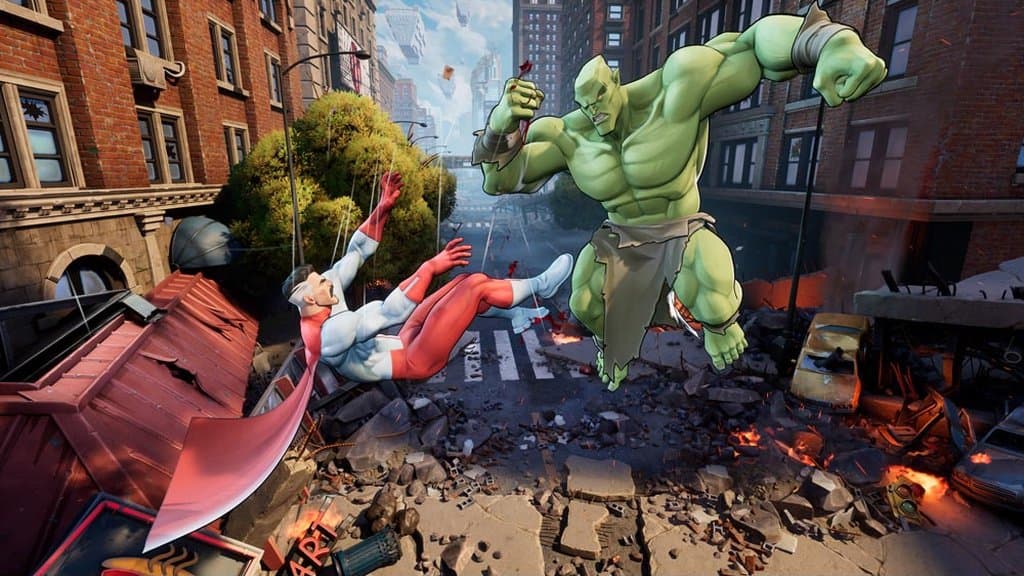
Invincible VS is one of the more interesting fighting game launches of 2026 because it is trying to hit two audiences at once: fighting game players who want a proper tag fighter, and superhero fans who just want to throw Omni-Man across the screen and watch everything explode.

That mix gives the game real upside in Southeast Asia. The region already has strong scenes for Tekken, Street Fighter, and anime fighters, while superhero IP is mainstream enough that even casual players will want to try it. At around US$49.99, expect pricing to land somewhere around the RM229-RM239 range on Malaysian digital storefronts depending on platform conversion and taxes, so it sits closer to a premium console fighter than a budget impulse buy.

If you are jumping in at launch, the biggest question is not “who is top tier?” yet. It is whether you actually understand how the 3v3 tag system, combo routing, and defensive options work. That is what this guide focuses on.

First, understand what kind of fighter this is

Invincible VS is not a slow, footsies-only brawler. It leans into:

  • 3v3 team building
  • aggressive combo extensions
  • tag-based pressure
  • explosive screen control
  • cinematic supers and big momentum swings

That means your solo fundamentals still matter, but your team structure matters almost as much as your execution. A strong point character with two useless partners will feel worse than a balanced trio with clear roles.

If you have played Marvel vs. Capcom, Dragon Ball FighterZ, or other tag fighters before, some of the logic will feel familiar. If you mainly come from Tekken, Mortal Kombat, or Street Fighter, expect more chaos and more emphasis on assists, tags, and sequence management.

The easiest way to start: build your team by role

Do not pick three characters just because they are your favourites from the show.

For your first proper team, assign these roles:

1. Point

This is the character you start the round with. Your point should be easy to control, have reliable neutral tools, and convert simple hits into decent damage.

2. Assist / extender

This character helps your point stay safe, continue pressure, or extend combos after launches and wall splats.

3. Anchor

Your last character needs to function well without heavy support. Good anchors are dangerous with meter, durable under pressure, or capable of making comeback situations scary.

That structure is much better for beginners than randomly stacking three rushdown characters.

Learn the tag system before chasing flashy combos

The headline mechanic in Invincible VS is its 3v3 tag combat, and if you misuse it, you will burn opportunities fast.

Two ideas matter most early:

Active tags

Active tags let you bring in a partner during pressure or combo routes. This is how you turn a decent hit into real damage or corner carry.

Use active tags when:

  • your point character lands a clean launcher
  • you want to keep pressure going safely
  • your current combo path would otherwise drop at range
  • you want to move into a better screen position

A common beginner mistake is tagging too early. Let the first character stabilize the hit first, then bring in your partner once the conversion is obvious.

Counter tags

Counter tags are your panic button, but they are not free. They exist to break enemy momentum and stop you from getting steamrolled by long sequences.

Use counter tags when:

  • the opponent has clearly opened you up cleanly
  • you are about to eat corner carry plus setup pressure
  • saving health on your current character matters more than resources

Do not mash counter tag every time you get touched. Strong players will bait it quickly, especially online.

Best beginner game plan: simple confirms, not big-brain creativity

At launch, a lot of players lose because they try to play highlight-reel fighting games instead of stable fighting games.

Your early match plan should be:

  1. control space with one or two reliable normals or projectiles
  2. confirm into a short combo you will not drop
  3. call an assist only when the hit is already real
  4. finish with safe knockdown or corner push
  5. keep enough resources for defense

That might sound boring, but stable 25 to 35 percent combos win more matches than risky freestyle routes that fall apart online.

Rollback netcode helps a lot, but SEA players still know the reality: your match quality can vary depending on routing, Wi-Fi conditions, and server connections. Simpler confirms are better at launch.

Roster strategy: what to look for in your first three characters

The full launch roster has enough variety that you should focus on traits, not just names.

Look for these qualities in your first team:

  • one easy neutral character with good range or clear approach tools
  • one combo helper whose assist naturally extends hits
  • one brawler or comeback threat who stays scary with meter

Characters with huge power fantasy appeal like Omni-Man, Battle Beast, and Invincible will obviously be popular, but popularity does not automatically mean beginner-friendliness.

If a character has awkward mobility, strict combo timing, or high-risk entry tools, save them for later. Your first goal is to learn the engine.

A few team archetypes that should work for beginners

You do not need exact tier placements yet, but these team concepts are safe starting points.

Balanced team

  • one mid-range point
  • one utility extender
  • one heavy-hitting anchor

This is the safest queue-for-ranked structure because it gives you options in neutral, pressure, and comeback situations.

Rushdown team

  • one fast point
  • one pressure assist
  • one momentum-based finisher

This works if you like staying in the opponent’s face, but it is more execution-heavy and easier to throw away with bad defense.

Space-control team

  • one projectile or long-range harasser
  • one combo extender
  • one bruiser anchor

This is great for players coming from more measured fighting games, because it gives you a clearer pace and discourages blind rushing.

Combo basics: what new players should practice first

Do not start in training mode trying to invent 70-hit nonsense.

Practice these four things instead:

1. One grounded confirm

Pick a common poke or starter and make sure you can always convert it into a short combo.

2. One launcher route

If your character has an obvious launcher, learn the follow-up into active tag.

3. One corner combo

Tag fighters become much scarier in the corner. You need one reliable route that works there.

4. One super ender

If you have meter and the hit will kill or swing momentum hard, spend it. Do not die with resources untouched.

For most players, that is enough for week one.

Online play tips for SEA players

Invincible VS launching with rollback netcode is a big plus, especially for players in Malaysia, Singapore, the Philippines, Thailand, and Indonesia. Still, good online habits matter.

A few practical tips:

  • use wired internet if you are on console
  • avoid downloading or streaming in the background during ranked
  • learn one low-lag combo route and one max-damage route
  • do not blame every dropped confirm on netcode
  • run longer sets when possible instead of only one-and-done matches

SEA fighting game players improve fast because the region rewards adaptation. If someone keeps opening you up the same way, save the replay and study the sequence instead of instantly switching characters.

The biggest mistakes new players will make

These are the errors that will lose a lot of launch matches:

  • tagging too often and getting punished
  • picking a team with no real synergy
  • dropping combos because the route is too ambitious
  • burning defensive resources too early
  • ignoring screen position and corner pressure
  • chasing damage while forgetting incoming pressure after the combo

The last point matters a lot. A combo is not just damage. It is also about who controls the next interaction.

Final verdict for beginners

If you are new to tag fighters, Invincible VS looks like the kind of game that can feel overwhelming in the first two hours and much better after the first weekend. The key is to resist the urge to play it like pure chaos.

Start with a balanced team, learn one safe combo route, understand when to use active tags versus counter tags, and treat your assists like tools instead of panic buttons. Once that clicks, the game opens up fast.

For SEA players, this has a real chance to become more than just a licensed superhero novelty. If the online experience holds up and the launch balance is reasonably clean, Invincible VS could carve out a proper niche with both FGC players and comic fans across the region.

If you want to win early, keep it simple: solid team structure, short confirms, disciplined tagging, and better defense than the other guy. That is usually enough to carry week one.