AMD’s Ryzen AI Max 400 ‘Gorgon Halo’ Is Built For Local AI, Not Budget Gaming PCs
AMD is giving its big Ryzen AI Max chips a refresh, and this one is clearly aimed at people running serious AI workloads locally — not your average gaming rig upgrade.
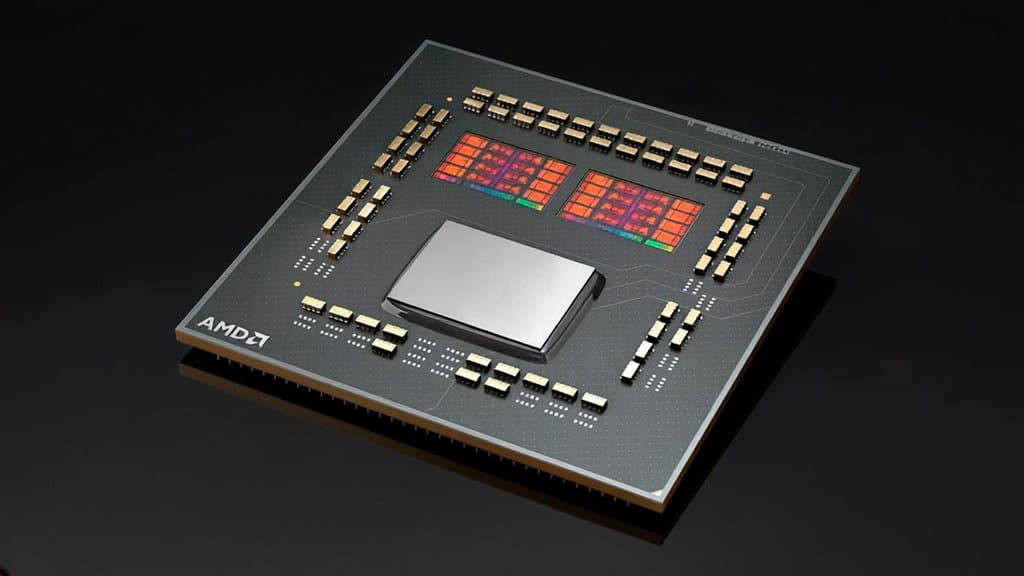
The new Ryzen AI Max 400 series, codenamed Gorgon Halo, follows the earlier Ryzen AI Max 300 “Strix Halo” lineup. Based on the details shared so far, this is not a wild architecture jump. The chips still use Zen 5 CPU cores, RDNA 3.5 graphics, and an XDNA 2 NPU. The headline upgrade is memory: AMD is now pushing support up to 192GB of unified memory.
That matters because unified memory can be shared between CPU and GPU workloads. AMD says up to 160GB can be used as VRAM, with 32GB reserved for the system. For AI developers, that is the real flex. AMD claims this makes Ryzen AI Max 400 the first x86 client processor family capable of running a 300B+ parameter LLM locally.
For Malaysia and SEA, the key point is simple: this is not just “AI PC” marketing for laptops in shopping mall brochures. This is workstation-class hardware for developers, AI teams, research labs, and companies that want to reduce cloud compute costs. If you are building agents, testing local LLMs, or running private AI workflows, the extra memory could be genuinely useful.
But ada catch, bro: memory is expensive right now. Global DRAM shortages are already pushing prices up, and a 192GB configuration is not going to be cheap. Even AMD’s earlier Ryzen AI Halo box with the older Ryzen AI Max+ 395 starts at $3,999, which is roughly RM19,000 before Malaysian taxes, shipping, and local distributor markup. That is workstation money, not gamer money.
The top new chip, the Ryzen AI Max+ Pro 495, gets a small clock bump to 5.2GHz, around 100MHz higher than the previous Max+ 395. Otherwise, the refresh looks very familiar. AMD is also using the Pro branding, which points toward enterprise features like security, manageability, and reliability. Consumer versions are not confirmed yet.
The GPU side is a bit less exciting. AMD is keeping the Radeon integrated graphics setup at up to 32 compute units for the Ryzen AI Max Pro 490 and 485, while the flagship configuration remains the more powerful option. For gamers hoping this means some crazy mini-PC that replaces a proper GPU, temper expectations. This platform is more about local AI and compact workstation use than pushing high-FPS AAA gaming.
AMD says Ryzen AI Max 400 systems are “coming soon,” with partner systems expected to be announced from Q3 2026. For now, the confirmed machine is the Ryzen AI Halo box with the Ryzen AI Max+ Pro 495. Pre-orders for the earlier Strix Halo-based Ryzen AI Halo box open in June, starting with a configuration that includes 128GB unified memory and 2TB storage.
AMD is also comparing its box against Nvidia’s DGX Spark, which sells for $4,700 with 128GB unified memory, Nvidia’s GB10 chip, and 4TB storage. AMD says Ryzen AI Halo supports both Linux and Windows, while DGX Spark is Linux-only. In selected Linux AI tests, AMD claims its box can beat DGX Spark by up to 14% in tokens per second on GLM 4.7 Flash 30B, and up to 4% on Qwen 3.6 35B.
For SEA teams, the bigger question is cost control. AMD is pitching the Ryzen AI Halo as a way to save on cloud AI bills, claiming it can break even in around six months if you are pushing six million tokens per day. That is not normal consumer usage, but for startups and AI-heavy dev teams, it is not impossible either.
Bottom line: Gorgon Halo is a niche but interesting refresh. If you are just building a gaming PC in Malaysia, this is probably overkill gila. But if you are in AI development and want powerful local compute without renting GPUs forever, AMD’s 192GB unified memory play could be worth watching — assuming the price and availability do not become the real boss fight.
Source: Tom's Hardware