AMD Says Agentic AI Will Boost CPU Demand Without Killing GPU Momentum
AMD CEO Dr. Lisa Su is pushing back on the idea that the AI boom is about to shift money away from GPUs and into CPUs. Her take is more interesting: agentic AI may actually make the whole data centre stack bigger.
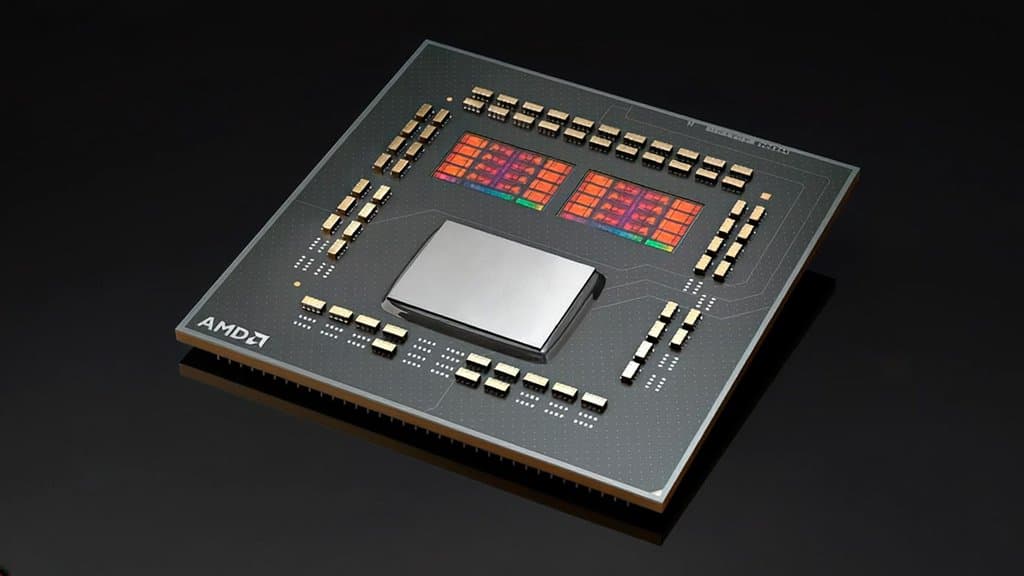
During AMD’s fourth-quarter earnings call, Su said AI was the main growth driver for the company’s cloud business. According to her, major cloud providers expanded their AMD EPYC server CPU deployments to support AI workloads, including general compute, data processing, accelerator head nodes, and newer agentic AI applications.
For normal readers, the key point is simple: AI is not just “buy more GPUs and settle.” As AI systems become more agent-like — meaning they can break tasks into smaller steps, coordinate tools, and run multiple processes — they need more CPU power to handle the boring-but-critical work around the GPU.
That includes orchestration, moving data around, parallel execution, and acting as the control layer for GPU or accelerator clusters. Basically, GPUs still do the heavy lifting for large models, but CPUs become the manager, traffic controller, and support crew. No CPU muscle, no smooth AI factory.
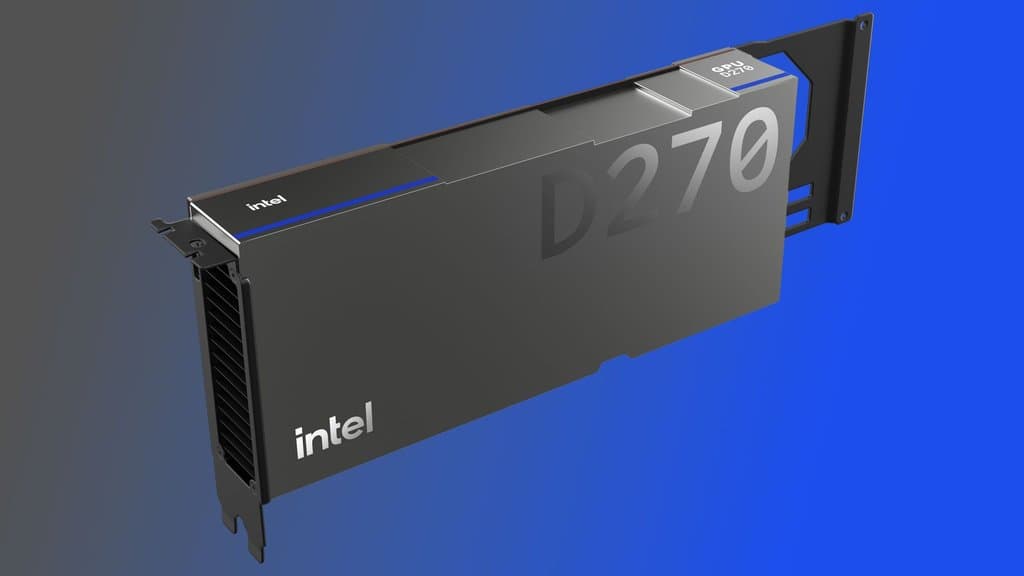
This matters because the industry conversation has been shifting. Intel recently got a big market reaction after its own earnings, with shares closing 23% higher last month following a profit beat and CEO Lip-Bu Tan also talking up the importance of CPUs in modern computing. Now AMD is saying the same theme benefits its own server CPU business too.
Su said AMD is seeing stronger short-term demand and deeper customer planning for server CPU capacity. The company’s view of the server CPU market has also become more aggressive: AMD previously talked about roughly 18% annual growth over the next three to five years, but Su now points to a much faster 35% annual growth path toward a $120 billion market. UBS is reportedly even more bullish, estimating a $170 billion opportunity by 2030.
The big investor worry is whether this new CPU demand eats into GPU demand. Su’s answer: not really. She described the CPU upside as largely additive to the GPU opportunity, because foundational AI models still need accelerators, while the AI agents running around those models create extra CPU-heavy tasks.
The ratio is where things get spicy. In older accelerator deployments, CPUs might sit in a host-node role at something like one CPU for every four or eight GPUs. Su said the industry could move closer to one-to-one in some scenarios, and if agentic AI really scales, some deployments may even need more CPUs than GPUs.
For Malaysia and SEA, this sounds far away, but it is relevant. More AI infrastructure demand affects cloud pricing, regional data centre investment, enterprise AI tools, and even the hardware supply chain that eventually touches gaming PCs and creator rigs. Malaysia is already trying to position itself as a data centre and semiconductor-adjacent hub, so shifts in CPU/GPU demand are not just Wall Street noise.
For gamers, don’t panic — this does not mean your next GPU suddenly becomes irrelevant. If anything, AMD’s message is that both sides matter. GPUs remain the star for AI acceleration, but CPUs are getting a bigger seat at the table because AI workloads are becoming more complex.
The short version: agentic AI is making data centres less one-dimensional. AMD wants investors and customers to see EPYC CPUs as a core part of that future, not just a sidekick to Instinct accelerators. And if Su is right, the next AI buildout wave may be less “GPU only” and more “balanced compute stack.”
Source: Wccftech Gaming