Apple May Tap Intel And Samsung As AI Demand Squeezes TSMC Chip Supply
Apple’s long-running TSMC-first chip strategy may be getting a serious rethink, and the reason is very 2026: AI is eating all the fab capacity.
According to reporting cited by Wccftech, Apple has reportedly held early discussions with Intel about using its foundry services, while Apple executives have also visited Samsung’s upcoming Texas fabrication plant to assess whether it could handle Apple silicon production. The key part here is that Apple is not just looking at random side chips or low-volume components. The talks reportedly involve the main processors used across Apple devices.
That matters because Apple’s custom chips — from iPhone A-series processors to Mac M-series silicon — are the backbone of its entire hardware ecosystem. For years, TSMC has been Apple’s go-to manufacturing partner because its advanced nodes have delivered the performance and efficiency Apple needs. But TSMC is now under insane pressure from AI hyperscalers, and that queue is getting crowded fast.
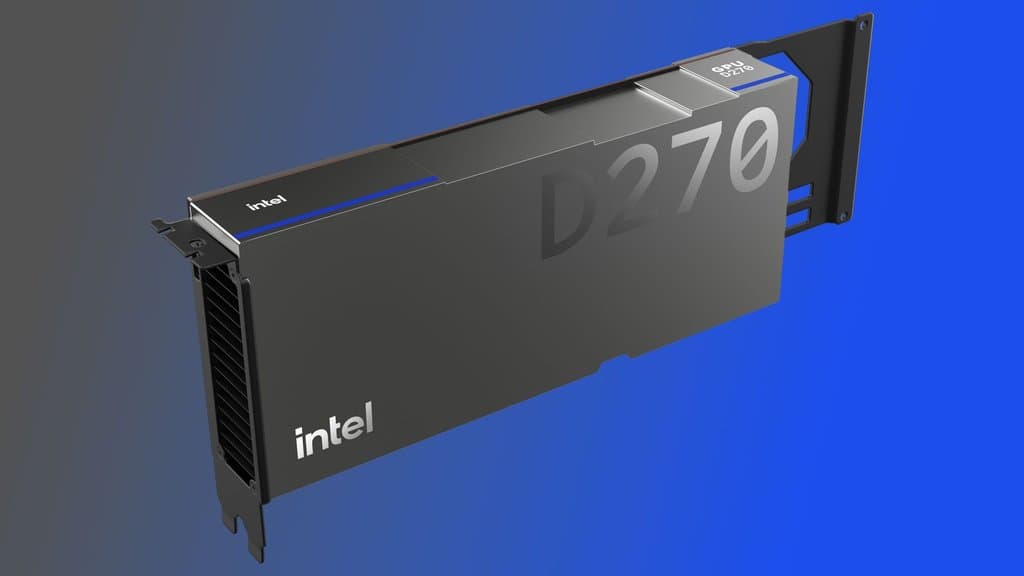
The reported Intel angle is especially interesting. Previous reports from GF Securities and DigiTimes claimed Apple may consider Intel’s 18A-P process for lower-end M-series chips expected around 2027, and possibly non-Pro iPhone chips in 2028. GF Securities also claimed Apple’s custom ASIC, expected in either 2027 or 2028, could use Intel’s EMIB packaging. Wccftech also notes that Apple has reportedly signed an NDA with Intel and obtained PDK samples of the 18A-P process for evaluation.
For the non-chip nerds: this is basically Apple checking whether Intel’s next-gen manufacturing is good enough for real Apple products. Intel’s 18A-P node supports Foveros Direct 3D hybrid bonding, which allows multiple chiplets to be stacked more tightly. On paper, that is the kind of tech Apple could use for future high-efficiency, high-performance designs. But Apple being Apple, “good enough on paper” is not enough. Yield, consistency, power efficiency, thermals — all kena pass.
The urgency is not theoretical either. Apple recently said supply of some Mac Studio and Mac mini models would take months to catch up with demand. The company pointed to agentic AI as one reason demand for these Macs has spiked, and said the issue was not memory supply, but limited access to advanced TSMC nodes. Wccftech also reports that Apple pulled the base M4 Mac mini configuration — the US$599 model with 16GB RAM and 256GB storage — from its configurator, alongside the 512GB Mac Studio option.
For Malaysian buyers, this is the part to watch. If chip supply stays tight, Mac availability and pricing could get messy here too. That US$599 Mac mini already translates to roughly RM2.8k before local pricing, taxes, and retailer margins. If Apple cannot get enough chips, don’t be surprised if certain configs become harder to find, delivery windows stretch, or promos become less aggressive.
TSMC is trying to add more 3nm capacity, including by converting some 4nm lines, but the reported extra 25,000 wafers per month may still not be enough. TrendForce figures cited by Wccftech suggest TSMC is adding only around 3,000 wafers per month of new 3nm capacity while pushing 55,000 wafers per month for 2nm, showing where the company’s attention is moving next. Apple has reportedly booked about half of TSMC’s 2nm capacity, but those products are not expected until the second half of 2026.
So for now, Apple needs more 3nm capacity, and AI companies are willing to pay huge premiums to jump the line. That puts Apple in a tricky spot: stay fully loyal to TSMC and risk supply pain, or bring in Intel and Samsung as backup options even if their output still needs proving.
For SEA users, this is not just boardroom drama. It could affect iPhone and Mac launch stock, delivery timing, and local pricing. The AI boom is no longer just about chatbots and GPUs — it is now directly competing with the chips inside the devices we actually buy.
Source: Wccftech Gaming