Microsoft Gaming Is Xbox Again, And Project Helix Sounds Like Its Big Performance Play
Microsoft Gaming is going back to the name everyone actually uses anyway: Xbox.
Microsoft Gaming CEO Asha Sharma and chief content officer Matt Booty have confirmed that the division is dropping the Microsoft Gaming label and returning to Xbox as its team name. Their reasoning is simple enough: Microsoft Gaming describes the company structure, but Xbox better represents the ambition and identity of the brand.
It is a branding move, yes, but not just cosmetic. The message from Xbox is that it wants to be seen less like a corporate umbrella and more like one connected gaming ecosystem across studios, hardware, services, and creators.
Project Helix is the hardware bit SEA players should watch
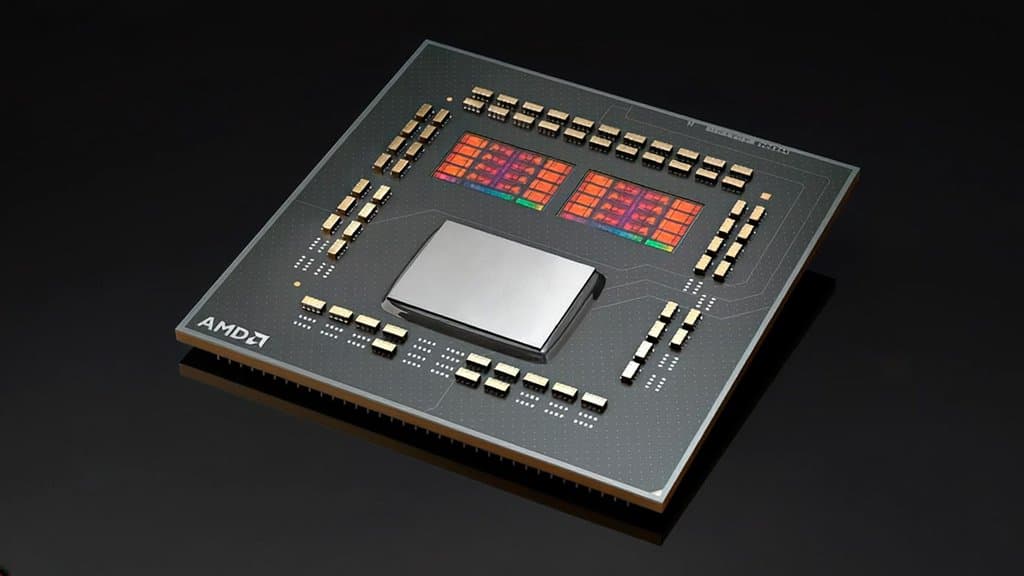
The most interesting part for actual players is hardware. Xbox says it wants to “lead in performance” with Project Helix, which has now been confirmed to play both console and PC games.
That detail matters because Xbox has been moving further away from the old idea of one fixed console box under your TV. For Malaysia and SEA, where PC gaming, mobile gaming, and console gaming all overlap in messy but very real ways, a device or platform that bridges console and PC libraries could be a big deal — if it is priced and supported properly here.
Xbox also listed stabilising Gen9 as a priority, meaning the current Xbox Series generation is not being abandoned while Project Helix is being built. The goal appears to be a healthier base for existing players, while expanding the wider ecosystem with more choice and reach.
For Malaysian gamers, the big question will be practical: will this make Xbox easier to buy, easier to service, and more attractive versus PlayStation, Nintendo, PC handhelds, and straight-up gaming laptops? Xbox hardware has never had the same mainstream pull here as PlayStation, so performance alone will not be enough. Availability, local pricing, Game Pass value, and regional support all matter.
Content, China, and emerging markets are part of the plan
On the content side, Xbox says it wants to grow its long-running franchises while improving third-party partnerships. The company is also looking at China, a market where PlayStation has already built serious visibility through efforts like China Hero Project and the success of Black Myth: Wukong.
That China focus is worth watching from SEA too. More investment into Asian studios and regional partnerships could eventually mean more games that feel less US-centric and more relevant to players around this side of the world. It does not guarantee anything for Malaysia, of course, but it shows Xbox knows growth cannot only come from its traditional Western console audience.
Xbox is also talking about emerging markets and mobile-first audiences. Some hardcore console fans may roll their eyes at that, but honestly, for SEA this is the real battlefield. A lot of players here jump between phone, PC cafe, laptop, console, and cloud depending on budget and convenience. If Xbox wants to win more players in Malaysia, it needs to meet them where they already play.
Game Pass and cloud play are still central
The company also wants to improve cloud gaming across TVs and lower-cost devices, continue improving Game Pass, and make Xbox a better platform for developers and creators.
That could be huge if rollout improves in this region. Cloud play on affordable devices sounds perfect for SEA on paper, but the experience depends heavily on latency, internet stability, server location, and whether the service is officially supported in each country. Malaysian players will not care about the dream if the actual experience feels laggy or half-supported.
Xbox also says it will keep rethinking its approach to exclusivity and AI as it learns more. That leaves the door open for more changes, especially after Xbox has already been more flexible with where its games appear.
For now, the takeaway is clear: Xbox wants to simplify its identity, push Project Helix as a performance-led future, strengthen Game Pass and cloud play, and chase markets beyond the usual console war bubble. For Malaysia and SEA, the potential is there — but Xbox still has to prove it can turn global strategy into local value.
Source: GamingBolt