Nvidia’s Jensen Huang Reportedly Left Out of Trump’s China Visit
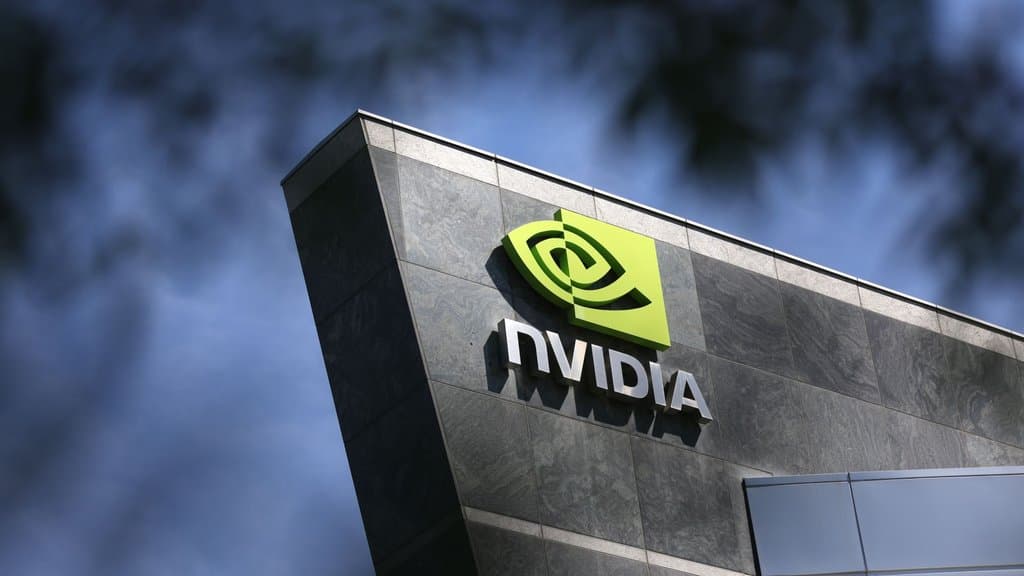
Nvidia CEO Jensen Huang is reportedly not joining President Donald Trump’s China state visit from May 13 to 15, 2026 — and for a company this central to the global AI race, that absence is louder than it looks.
According to Bloomberg, cited by Tom’s Hardware, Huang is not on the business delegation list for the trip. That roster reportedly includes major names like Apple CEO Tim Cook and Tesla boss Elon Musk, both of whom have huge commercial exposure in China.
For Nvidia, though, the situation is way more sensitive.
Huang has not exactly been a stranger to Trump’s international trips. He previously joined the president’s visits to the Middle East and the UK, and Trump even praised him in London last year, saying, “You’re taking over the world, Jensen.” So for him to be missing from a China visit — arguably the most important market tension point for Nvidia — memang noticeable.
The bigger story here is not just guest-list drama. It is about advanced AI chips, export controls, and whether China gets access to Nvidia hardware again.
Nvidia used to dominate China’s AI accelerator market. Tom’s Hardware notes that its share once reached as high as 95%. But after the US blocked exports of its most advanced chips over concerns that “dual-use” American technology could support China’s military programmes, Nvidia’s position in China collapsed hard.
The company tried working around the restrictions with reduced-performance chips built specifically for Chinese buyers, including the H20. Even that was later disallowed in April 2025.
Then came the H200 situation. Trump approved Nvidia H200 exports to China in late 2025, but that did not magically reopen the market. Nvidia still needed licences to sell to specific firms, and Beijing reportedly told customs officers to stop the chips at the border anyway. US Commerce Secretary Howard Lutnick has said Nvidia has still not sold a single H200 AI GPU to China.
So now you have this weird deadlock: Washington does not want China receiving the most powerful AI chips, while Beijing also wants to protect and grow its own semiconductor industry. Local Chinese players like Huawei, Cambricon, Alibaba, and Baidu have been filling the gap left by Nvidia.
American Enterprise Institute fellow Ryan Fedasiuk told Bloomberg that Huang’s absence sends a “strong signal” to the Chinese Communist Party that Washington is not planning to soften its position on high-end AI chips.
Why should Malaysian and SEA readers care? Because this fight affects more than enterprise AI labs in the US and China.
Nvidia’s GPUs sit at the centre of modern AI, cloud computing, game development, visual effects, robotics, and high-performance data centres. When access to these chips gets restricted, pricing, supply, and regional cloud capacity can all feel the ripple effects. SEA startups, universities, game studios, and AI teams may not be directly buying H200s by the container, but they still depend on the global compute ecosystem that Nvidia dominates.
For gamers, this is also part of the same bigger hardware chain. The AI boom already affects GPU demand and Nvidia’s product strategy. If China continues pushing domestic alternatives while the US keeps tightening controls, the global chip market could become more fragmented. That might shape what hardware reaches our region, what cloud AI services cost, and how fast local companies can build AI-powered tools.
For now, the message looks pretty clear: Nvidia may be the most powerful AI chip company in the world, but geopolitics is still the final boss.
Source: Tom's Hardware