Xbox’s Rumoured Helix Chip Could Power Asus and MSI Consoles, But Don’t Expect DIY Builds
Microsoft’s next-gen Xbox hardware plans are starting to sound less like “one console under the TV” and more like a wider Xbox-powered device ecosystem.
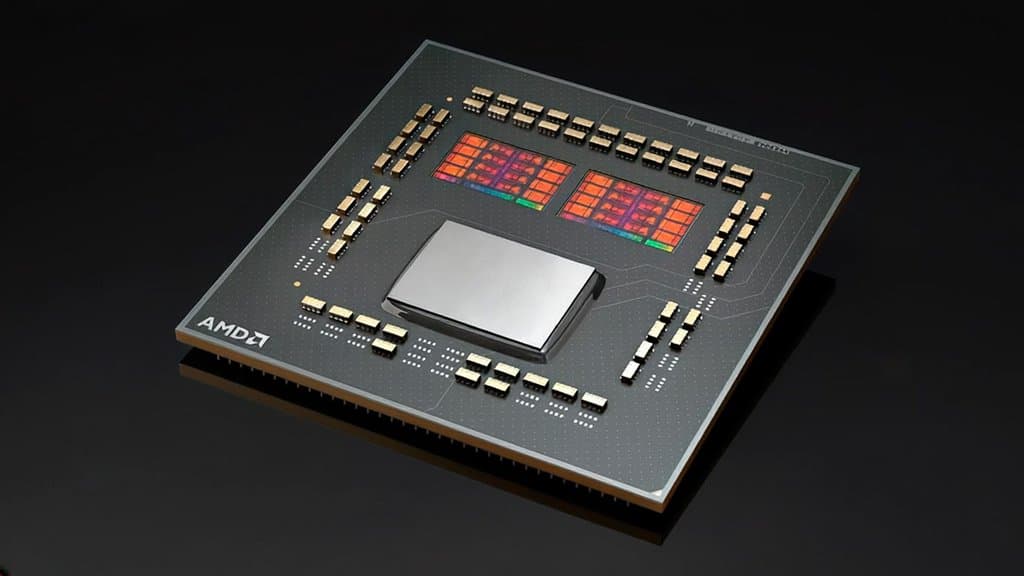
According to reliable hardware leaker KeplerL2, Microsoft’s rumoured Project Helix chip — reportedly designed with AMD as the core silicon for the next Xbox generation — will not be sold directly to consumers. Instead, the chip may show up inside ready-made gaming machines from brands like Asus, MSI and potentially other OEM partners.
In simple terms: you probably won’t be able to walk into Low Yat, buy a Helix motherboard-and-chip combo, and build your own next-gen Xbox-style gaming PC. But you might eventually be able to buy an Asus, MSI or similar branded machine that runs on the same Xbox-focused hardware foundation.
That makes sense if you look at where Microsoft has already been heading. The Asus ROG Xbox Ally X handheld is basically the early signal here: Xbox branding, PC-style flexibility, and partner-made hardware. But that device uses AMD’s Ryzen Z2 Extreme, which is not some secret Xbox-only chip. It belongs to a wider family of AMD APUs that also appears across other handhelds, laptops and desktops under different branding.
Project Helix sounds more locked down. PC Gamer notes that while AMD is engineering the chip, the exact combination of CPU and GPU hardware may be exclusive to Microsoft. Expectations point toward AMD Zen 6 CPU cores and graphics technology related to AMD’s future RDNA 5 family, but the special sauce could be in the exact core layout, ray tracing features, or machine learning capabilities.
For Malaysian and SEA gamers, the interesting part is price. Console chips are usually produced in huge volumes with limited variation, which can make them more cost-effective than equivalent PC parts. That’s why some PC builders were hoping Helix could become a budget gaming miracle: imagine a powerful AMD-based chip with console-level optimisation, sold separately for small form factor PCs or affordable living room rigs.
That dream now looks very shaky.
If the leak is accurate, Microsoft is keeping Helix inside complete systems only. So instead of a DIY upgrade path, we may be looking at full machines from Microsoft, Asus, MSI and others. No official Malaysia pricing exists yet, but PC Gamer floated an example of an US$800 Xbox Helix box — roughly RM3,800-ish before any local taxes, retailer margins or bundle pricing. That is not exactly “budget gamer bro” territory, especially when many SEA players are already juggling GPU prices, RAM shortages and weak exchange rates.
There is still a potential upside. If Microsoft allows several brands to build Helix-based machines, we could see more variety than the traditional Xbox launch. Maybe one compact living room console, one higher-end enthusiast box, and maybe even a small PC-like machine from MSI. Competition could help, but let’s be real: Asus gaming hardware usually lands premium in Malaysia, and “ROG tax” is not a meme for nothing.
MSI might have a better shot at hitting a more practical price point, but the wider component market is still rough. Memory and chip supply issues have already made affordable gaming hardware harder to pull off, and even Valve has reportedly faced disruption around its upcoming Steam Machine.
So what should local players take from this? Don’t expect Project Helix to save budget PC gaming. If you were hoping to build a cheap console-grade PC from loose Xbox parts, memang probably tak jadi. But if Microsoft executes this properly, the next Xbox generation could be more flexible than before — less one fixed box, more a family of Xbox-powered machines.
That could be genuinely interesting for Malaysia, where gamers often choose between console convenience, PC freedom and handheld portability. The only question is whether these Helix machines will be priced for normal players, or only for the same crowd already buying high-end handhelds and gaming laptops.
For now, Helix remains exciting silicon — just not the DIY budget hero many PC gamers were hoping for.
Source: PC Gamer