Fortnite Beginner's Guide — Everything You Need to Know
Last Updated: March 30, 2025
What Is Fortnite?
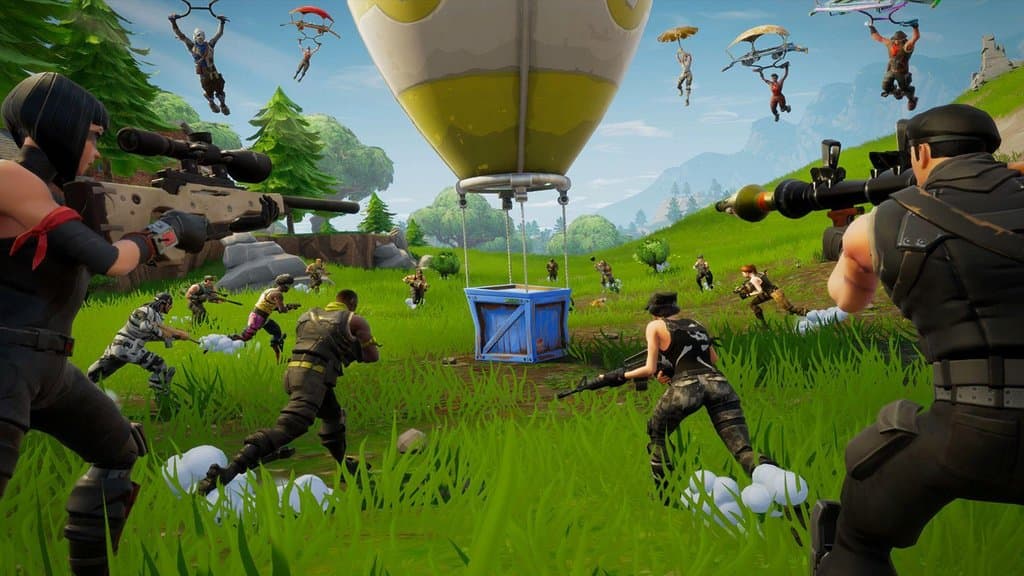
Fortnite is a free-to-play battle royale game developed by Epic Games where 100 players drop onto an island, scavenge for weapons and resources, and fight to be the last player or team standing. The game is available on PC, PlayStation 5, Xbox Series X/S, Nintendo Switch, and mobile devices, with full cross-platform play so you can squad up with friends regardless of what they play on.
What makes Fortnite unique among battle royale games is its building mechanic. Players can harvest materials — wood, brick, and metal — from the environment and use them to construct walls, ramps, floors, and cones in real time. This creates a dynamic layer of strategy where fights are won not just through aim but through positioning, creativity, and quick decision-making. If the building mechanic feels overwhelming, Fortnite also offers Zero Build mode, which removes building entirely and focuses on gunplay and natural cover.
For players in Southeast Asia, Fortnite runs on dedicated Asia servers that provide solid connections from the Philippines, Singapore, Indonesia, Thailand, Malaysia, and Vietnam. Typical ping ranges from 30-80ms depending on your location and ISP, which is more than playable for both casual and competitive matches.
Landing and Looting
Your first decision in every match is where to land. As a beginner, avoid the most popular named locations — places like the center of the map or wherever the Battle Bus path starts tend to attract experienced players looking for early fights. Instead, aim for quieter named locations on the edges of the map or smaller unnamed clusters of buildings. You will have more time to loot and get comfortable without being eliminated thirty seconds into the match.
When looting, prioritize weapons first, then shields, then healing items. Your ideal early-game goal is to find a shotgun for close range, an assault rifle for mid range, and at least one shield potion. Chests (identifiable by their golden glow and humming sound) are your best source of quality loot, so learn where they spawn at your preferred landing spots.
Ammo management matters more than most beginners realize. Pay attention to which ammo types your weapons use and pick up ammunition even when you feel fully stocked. Running out of bullets mid-fight is one of the most common ways new players lose winnable engagements.
Building and Editing Basics
If you are playing Build mode, learning the fundamentals of building is essential. You do not need to be a mechanical god — even basic building skills will dramatically improve your survival rate. Start with these core techniques:
The Panic Wall: When you take unexpected fire, immediately place a wall between you and the enemy. This buys you time to assess the situation, heal, or reposition. This single habit will save you more than any weapon upgrade.
The Ramp Rush: A simple ramp lets you gain high ground on an opponent. Place a wall in front of your ramp for protection as you push forward. High ground gives you a better angle to shoot down on enemies while exposing less of your body.
The 1x1 Box: Four walls and a ramp inside creates a simple defensive structure. Use this when you need to heal, when the storm is closing and you need to hold a position, or when you want to scout the area from a protected vantage point.
Editing — modifying pieces you have placed by removing sections of walls, floors, or cones — is an advanced skill that separates good players from great ones. As a beginner, focus on placing builds quickly and accurately before worrying about edit plays.
Combat Fundamentals
Fortnite rewards different weapons at different ranges, so understanding engagement distance is key. Shotguns dominate close quarters (under 10 meters), SMGs and assault rifles control mid range (10-50 meters), and DMRs or sniper rifles handle long range (50+ meters). Carrying at least one close-range and one mid-range weapon is essential.
Aim for the head whenever possible. Headshot multipliers in Fortnite are significant, and a well-placed shotgun headshot can eliminate a fully shielded opponent in a single blast. Practice tracking moving targets and flicking to heads in creative mode before jumping into real matches.
Sound is one of your most powerful tools. Footsteps, gunfire, building sounds, and chest audio all provide critical information about enemy positions. Always play with headphones and pay attention to directional audio cues. If you hear building above you, an enemy has high ground. If you hear footsteps getting louder, someone is pushing toward you. React to audio before you see anything on screen.
Third-person peeking is a core mechanic that many beginners overlook. Because Fortnite uses a third-person camera, you can see around corners and over walls without exposing yourself. Use this to your advantage by positioning yourself behind cover and gathering information before committing to a fight.
The Storm and Rotations
The storm is the ever-shrinking circle that forces players closer together as the match progresses. Taking storm damage is one of the most common ways beginners die, usually because they looted too long or did not pay attention to the timer. Check the map frequently. When the storm timer reaches about 30 seconds, start moving toward the safe zone regardless of how good your current loot is.
Rotation — the act of moving from one position to another as the circle shrinks — is a skill in itself. Stick to natural cover like hills, trees, and buildings rather than running through open fields. Use vehicles when available for fast rotations. In later circles, position yourself on the edge of the safe zone rather than the center, as this reduces the number of angles enemies can attack you from.
For SEA players on higher ping, early rotations are especially important. Getting into position before fights break out reduces the disadvantage of slightly higher latency, as holding an angle is less ping-dependent than reactive building or edit plays.
Game Modes
Fortnite offers several core modes to suit different playstyles:
Solo: Every player for themselves. The purest test of individual skill. Great for improving because every mistake is yours to learn from.
Duos: Teams of two. Communication and coordination become important. A strong duo that plays off each other's strengths can dominate lobbies.
Trios and Squads: Teams of three or four. The most social way to play and often the most chaotic. Stick with your team, call out enemy positions, and focus fire on single targets rather than splitting your attention.
Zero Build: All of the above modes without building. Focuses entirely on gunplay, positioning, and using natural cover. Highly recommended for beginners who find building overwhelming.
Creative: A sandbox mode where you can practice aim, building, and editing in custom maps. Spend time in aim training and box fight maps to build mechanical skills without the pressure of a real match.
Ranked Play
Once you feel comfortable with the basics, Ranked mode offers structured competitive progression. The ranking system spans from Bronze through Silver, Gold, Platinum, Diamond, Elite, Champion, and Unreal. Each division has skill-based matchmaking, so you will face opponents of similar ability.
Ranked rewards a different playstyle than casual matches. Placement matters more than eliminations — surviving to the top 10 earns more rank points than getting five early kills and dying in 50th place. Play for endgame positioning, take smart fights, and avoid unnecessary aggression in the mid-game.
Common Beginner Mistakes
Ignoring shields: Drinking shield potions is the single most impactful thing you can do after landing. Shields effectively double your health pool. Always shield up before pushing fights.
Over-committing to fights: Not every gunfight needs to be finished. If you crack someone's shields and they box up to heal, consider whether pushing into their prepared defense is worth the risk. Sometimes it is better to hold your position and let them come to you.
Tunnel vision: Focusing on one enemy while ignoring the rest of the lobby gets you eliminated by a third party. Always be aware of your surroundings, especially in the later circles where multiple teams are nearby.
Neglecting materials: In Build mode, running around with zero materials is a death sentence. Harvest as you move between locations. Even 150 wood gives you enough for emergency cover.
Standing still while looting: Never stop moving. Open chests, grab items, and keep walking. Standing still makes you an easy target for snipers and anyone watching from a distance.
Landing too hot: Until you can consistently win early-game fights, avoid the most contested drop spots. There is no shame in landing safely and gearing up before seeking combat.
Growing as a Player
Improvement in Fortnite comes from deliberate practice rather than simply playing more matches. Here is a roadmap for progression:
Week 1-2: Focus entirely on survival. Learn the map, practice looting efficiently, and aim for top-25 finishes. Do not worry about getting eliminations yet.
Week 3-4: Start taking fights intentionally. Land at moderately busy locations and practice your shotgun aim and basic building. Expect to lose most of these fights — that is how you learn.
Month 2: Dive into Creative aim trainers and building courses. Spend 15-20 minutes warming up before each session. Start watching educational content from creators who explain their decision-making, not just their mechanical skill.
Month 3 and beyond: Enter Ranked mode and set division goals. Review your replays after tough losses. Identify patterns in how you die and work on those specific weaknesses.
The SEA Fortnite community is welcoming to new players. Join local Discord servers for your country or region to find practice partners, get tips from experienced players, and stay updated on community tournaments. The Philippines, Indonesia, and Singapore all have active communities that regularly organize grassroots competitions open to all skill levels. Playing with and against local talent is one of the fastest ways to improve and make the game more enjoyable.