Mobile Legends Beginner's Guide — Everything You Need to Know
Last Updated: March 30, 2025
What Is Mobile Legends?
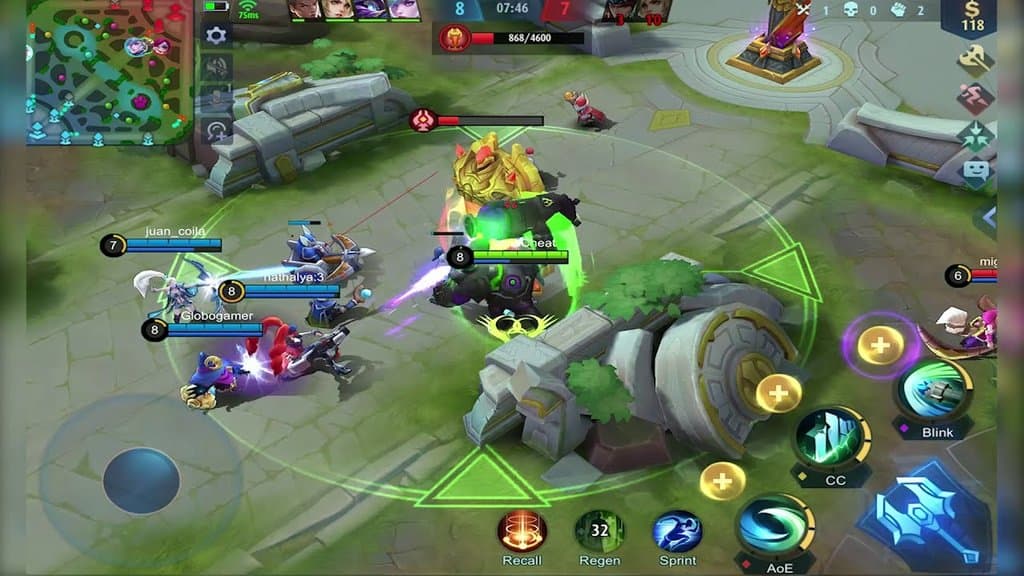
Mobile Legends: Bang Bang (MLBB) is a 5v5 MOBA developed by Moonton, designed specifically for mobile devices. Two teams of five battle across a three-lane map to destroy each other's base. Matches are fast — typically 10-15 minutes — making it one of the most accessible MOBAs for quick sessions. With over 120 heroes across six roles and a massive global player base, MLBB offers deep strategic gameplay in a mobile-friendly package. Whether you're a MOBA veteran or completely new to the genre, this guide will get you from your first match to confident ranked play.
The Map
The standard map (Celestial Palace/Imperial Sanctuary) has three lanes — Gold Lane (top), Mid Lane, and EXP Lane (bottom) — connected by jungle areas. Each lane has three turrets protecting the path to your base. The jungle contains buff monsters, the Turtle (early-game objective that grants gold and EXP to your team), and the Lord (late-game objective that spawns a powerful minion pushing a lane).
Gold Lane (Top): Named because the first minion wave here grants bonus gold. Marksmen or fighters who scale with items typically go here.
Mid Lane: The shortest lane, ideal for mages who need to clear waves quickly and roam to help side lanes. Mid is the crossroads of the map — whoever controls mid controls rotations.
EXP Lane (Bottom): Grants bonus experience to the solo laner. Fighters and tanky heroes who benefit from levels more than gold go here.
Jungle: The Jungler's domain. Buff camps, the Lithowanderer (grants a shield), Turtle, and Lord all reside here.
The Six Roles
MLBB heroes fall into six categories, and understanding each role is essential for team composition and gameplay.
Tank: The frontline. Tanks like Khufra, Atlas, and Tigreal absorb damage and initiate fights with crowd control. Your job is to protect your carries, start team fights when conditions are favorable, and provide vision by face-checking bushes. Tanks are the playmakers — a well-timed Flicker + ultimate combo from Atlas or Tigreal can win games instantly.
Fighter: Bruisers who balance damage and durability. Fighters like Esmeralda, Yu Zhong, and Paquito dominate the EXP lane and serve as secondary frontline in team fights. Good fighters can split-push (pressuring a lane alone to draw enemy attention) and 1v1 most other heroes.
Assassin: High burst damage dealers who target enemy carries. Assassins like Ling, Lancelot, and Hayabusa thrive in the jungle, farming quickly and ganking lanes. They require good map awareness and timing — diving into a team fight too early means instant death, but arriving at the right moment means erasing the enemy marksman.
Mage: Ability-based damage dealers who control space with area spells. Mages like Valentina, Yve, and Pharsa dominate mid lane with strong wave clear and team fight presence. Some mages also function as supports (Diggie, Mathilda). Positioning is critical — mages are squishy and one mistake means death.
Marksman: Ranged physical damage carries who scale with items. Marksmen like Brody, Beatrix, and Karrie are weak early but become the primary damage source in late game. Farm efficiently in Gold Lane, avoid dying, and let your tank protect you in team fights. Your damage in the late game wins or loses fights.
Support: Heroes who buff allies, debuff enemies, or provide utility. Supports like Rafaela, Estes, and Floryn heal and sustain your team, while heroes like Mathilda and Johnson provide engage and roaming power. Supports typically roam with the jungler or tank in the early game rather than laning alone.
Items and Builds
Items provide stats and powerful passive effects. Each hero has a recommended build you can follow, but understanding item choices helps you adapt to different games.
Core Concepts: Build damage items on damage dealers and defensive items on tanks. Penetration items (physical or magical) counter enemy defense stacking. Lifesteal keeps you alive in extended fights. Cooldown reduction lets you use abilities more frequently.
Boots: Everyone needs boots. Tough Boots reduce crowd control duration. Arcane Boots add magic penetration for mages. Warrior Boots give physical defense. Choose based on what you're facing.
Emblems: Before items, set up your emblem page. Emblems provide passive stats and a talent that significantly impacts your playstyle. The Assassin emblem with Killing Spree talent is excellent for junglers. The Tank emblem with Concussive Blast works for roaming tanks. Experiment with different talents — they matter more than you'd think.
Battle Spells: Your one active ability chosen before the match. Retribution is mandatory for junglers (required to buy jungle items). Flicker is a universal blink for repositioning. Flameshot provides a ranged knockback for mages. Purify cleanses crowd control. Sprint gives a burst of movement speed. Execute finishes low-health enemies. Choose based on your hero and what the enemy team threatens.
Ranked Mode and Climbing
Ranked unlocks after reaching account level 8 and owning at least five heroes. The tiers are Warrior, Elite, Master, Grandmaster, Epic, Legend, Mythic, Mythical Glory, and Mythical Immortal. Draft pick starts in Epic rank, where teams take turns banning and selecting heroes.
How to Climb: Master 2-3 heroes per role so you can fill what your team needs. In lower ranks, carrying from the jungle or marksman position is effective because you can personally outscale opponents. In higher ranks, team coordination and macro play (objective control, rotations) matter more than individual skill.
Star Protection: You earn bonus points that grant star protection, preventing star loss from a defeat. Weekly activity and win streaks contribute to protection points.
Adjusting: MLBB's most important concept is adjusting — being flexible with your hero pick and role based on what your team needs. If your team needs a tank and you only play marksmen, you're at a disadvantage. Learn at least one hero in every role.
Game Phases
Early Game (0-5 minutes): Laners focus on farming minions while the jungler clears camps and looks for ganks. Securing the first Turtle spawn is important. Avoid unnecessary deaths — giving up early kills snowballs the enemy team.
Mid Game (5-10 minutes): Turrets start falling, and the map opens up. Group for objectives (Turtle, Lord) and team fights. This is when assassins and fighters hit their power spikes and should be looking for picks.
Late Game (10+ minutes): Full builds come online and team fights decide the game. Death timers are long, so a single team wipe can end the match. Stay grouped, fight over Lord, and don't get caught alone. One late-game mistake erases 10 minutes of advantage.
Macro Strategy
Rotations: Don't sit in your lane forever. After clearing your wave, rotate to help nearby lanes or contest objectives. The team that rotates faster creates number advantages — 3v2 fights in a side lane often result in kills and turret pushes.
Objective Priority: Turrets > Lord > Turtle > Kills. Kills don't win games directly — destroying the base does. After winning a team fight, push turrets rather than chasing enemies across the map.
Vision: Use bushes to hide from the enemy minimap. Check bushes before walking through them (especially as a squishy hero). Heroes like Selena can plant traps for vision. Minimap awareness is the single most impactful skill you can develop — if you see four enemies on the opposite side of the map, that's your signal to push aggressively.
Wave Management: Minion waves push toward the enemy base if your wave has more minions. Before grouping for Lord or a team fight, push your waves out so that even if the fight goes badly, the enemy has to deal with advancing minions instead of immediately counter-pushing.
Tips for New Players
Start with beginner-friendly heroes: Tigreal (Tank), Zilong (Fighter), Eudora (Mage), Layla (Marksman), and Rafaela (Support) all have simple kits that teach fundamentals. Play against AI until you're comfortable, then move to Classic matches. Don't jump into ranked until you're confident with at least five heroes. Learn from deaths — every time you die, ask yourself what you could have done differently. Was your positioning bad? Did you ignore the minimap? Did you fight without your abilities available? Use the practice mode to test combos and item builds. Watch high-rank streamers to learn rotations and decision-making — you'll improve faster by studying than by grinding mindlessly. Finally, don't tilt. If you lose two ranked games in a row, take a break. Climbing ranked is about consistency over hundreds of games, not winning every match.
What to Do After Your First 50 Games
Focus on building your hero pool to cover all six roles. Start learning one hero deeply enough to carry games — watch guide videos, practice combos, and understand matchups. Pay attention to the draft in ranked — counter-picking (choosing heroes that specifically counter the enemy's picks) is a massive advantage. Learn when to split-push versus group, when to contest Lord versus trade objectives, and when to fight versus when to disengage. MLBB rewards game knowledge as much as mechanical skill, and the more you understand about macro strategy, the faster you'll climb. Good luck on the battlefield.