Perang Chip 2nm: Kenapa TSMC, Intel dan Samsung Penting untuk Gamer Malaysia
Perlumbaan 2nm sudah rasmi bermula
Perang chip besar seterusnya bukan lagi sekadar cakap PowerPoint. TSMC, Intel Foundry dan Samsung Foundry semuanya sudah bergerak ke produksi chip kelas 2nm, tapi setiap syarikat ambil jalan yang sangat berbeza dari sini.
Untuk pembaca Malaysia dan SEA, benda ni memang bunyi sangat atas dan jauh — fabs di Taiwan, Oregon, Korea, mesin EUV besar gila, semua tu. Tapi inilah pertarungan upstream yang akhirnya akan mempengaruhi barang yang kita betul-betul beli: gaming phone, laptop, handheld PC, GPU, CPU, server AI, dan mungkin juga hardware kelas konsol masa depan. Kalau yield teruk atau node tertangguh, jangan terkejut bila phone “flagship killer” seterusnya tiba-tiba harga RM dia lebih mahal daripada jangkaan.
Tiga foundry, tiga vibe berbeza
TSMC main game paling selamat dan paling disciplined. Proses 2nm N2 mereka masuk high-volume manufacturing di dua fabs Taiwan pada Disember, satu kenyataan yang agak besar memandangkan simultaneous volume ramp memang jarang berlaku dalam industri ni. Syarikat itu juga pecahkan roadmap ikut use case: ada node fokus pada high-performance computing dengan backside power delivery, sementara yang lain kekal lebih mesra kos untuk phone dan chip pengguna.
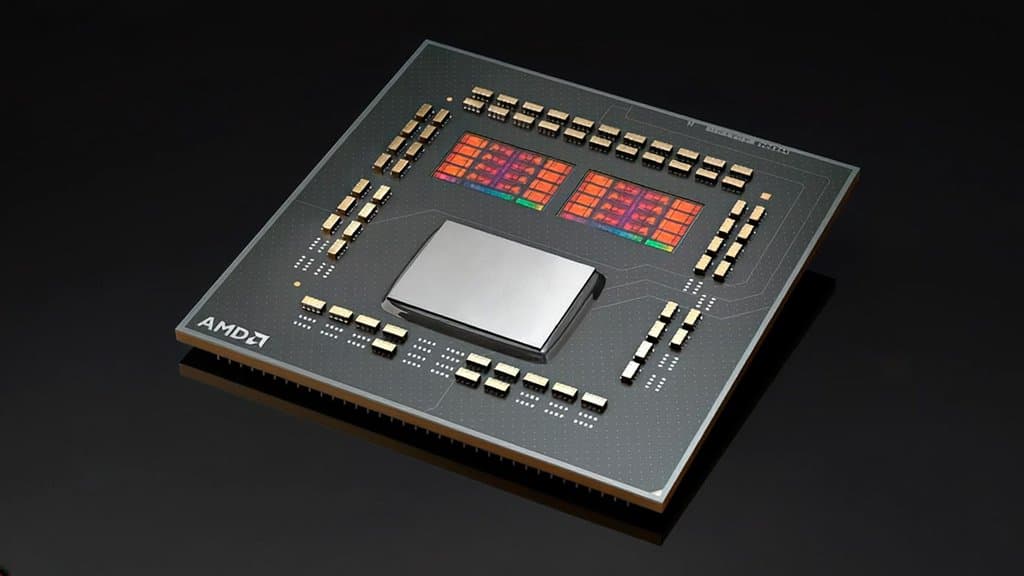
Ini penting sebab Apple, AMD, Nvidia, Qualcomm dan nama-nama besar lain sangat bergantung pada TSMC. Jadi bila TSMC betulkan roadmap mereka, kesan ripple itu akhirnya sampai kepada pembeli Malaysia melalui iPhone, gaming laptop, desktop CPU, GPU dan flagship Android.
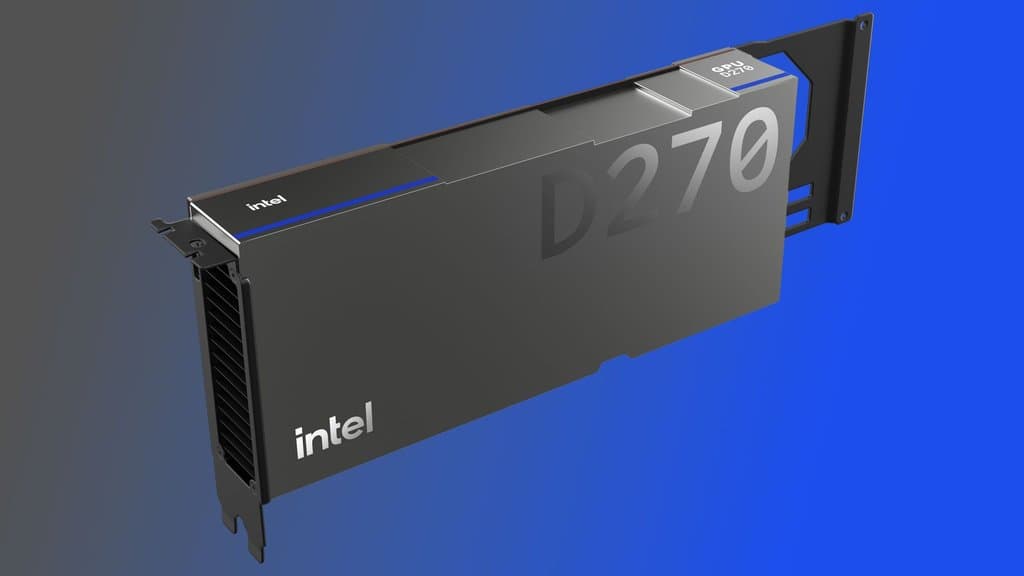
Intel pula ialah pemain high-risk, high-reward di sini. Node 18A mereka mula aktiviti produksi pada November, walaupun Tom’s Hardware menyatakan ini berlaku di development lines di Oregon dan bukannya production lines Arizona. Intel menggabungkan transistor RibbonFET gate-all-around dengan PowerVia backside power delivery, menjadikan roadmap mereka paling agresif antara tiga syarikat ini.
Kelebihannya? Intel boleh mendapatkan semula kekuatan manufacturing sebenar untuk CPU pengguna dan chip data centre mereka sendiri. Risikonya? Execution risk memang sangat nyata — terutamanya selepas Intel membatalkan node 20A mereka pada hujung 2024. Intel sudah merancang varian 18A-P dan 18A-PT, manakala 14A dan 14A-E disasarkan untuk 2027 hingga 2028 dengan RibbonFET generasi kedua, PowerDirect backside power dan sebahagian penggunaan litografi High-NA EUV.
Samsung pula sedang berada dalam mode recovery-and-stabilise. Mereka awal menggunakan transistor gate-all-around pada SF3E pada 2022, tetapi yield yang lemah dan tidak konsisten mengehadkan adoption. Keluarga SF2 yang lebih baharu kini menjadi fokus, dengan varian SF2P, SF2X, SF2A dan SF2Z dirancang merentas design performance, automotive dan backside-power.
Headline besar Samsung ialah SF1.4, node kelas 1.4nm yang dirancang untuk mass production pada 2027. Tapi persoalan sebenar bukan sekadar sama ada Samsung boleh namakan node lebih kecil dahulu — persoalannya ialah sama ada mereka boleh hasilkan cukup banyak chip yang elok pada skala besar. Untuk phone khususnya, yield ialah king. Yield buruk bermaksud kos lebih tinggi, bekalan kurang, dan lebih sedikit brand yang sanggup ambil risiko.
Kenapa gamer patut kisah
Perlumbaan ini bukan hanya untuk nerd semiconductor. Node yang lebih baik boleh bermaksud performance per watt lebih kuat, chip lebih sejuk, battery life lebih panjang dan lebih banyak ruang untuk feature GPU atau AI. Untuk gamer SEA, ini boleh muncul dalam bentuk gaming phone yang lebih mantap, laptop lebih efisien untuk kampus atau kerja, dan handheld PC masa depan yang tak masak tangan lepas satu ranked match.
Tapi node lebih kecil tidak automatik bermaksud produk lebih murah. Backside power delivery, High-NA EUV, advanced packaging dan design multi-chiplet semuanya mahal. TSMC sendiri sudah memisahkan tech premium fokus data centre daripada node yang lebih mainstream, sebab bukan semua produk boleh serap kos itu.
Jadi realiti jangka pendek yang paling mungkin untuk Malaysia senang saja: device premium akan dapat manfaat dahulu, gear budget dan midrange akan ikut kemudian. Segmen gaming phone RM2,000–RM3,000 mungkin tak terus dapat silicon cutting-edge sebenar, tapi improvement di kelas atas biasanya trickle down selepas beberapa cycle.
Kesimpulan
TSMC nampak seperti foundry paling predictable, Intel ada tech bet paling berani, dan Samsung sedang cuba baiki yield sebelum mengejar lompatan besar seterusnya. Untuk consumer, pemenangnya bukan sekadar siapa yang sebut “1.4nm” dulu. Pemenangnya ialah siapa yang boleh ship chip berkuasa dan efisien dalam volume besar tanpa menjadikan produk akhir mahal sakit hati.
Untuk gamer dan peminat tech Malaysia, ini salah satu battle belakang tabir yang memang berbaloi untuk dipantau. Hari ini ia cuma fab roadmaps. Esok ia ialah CPU, phone, GPU atau handheld korang yang seterusnya.
Source: Tom's Hardware