AMD Mungkin Sedang Menyiapkan Multi-Frame Generation Untuk Radeon GPUs
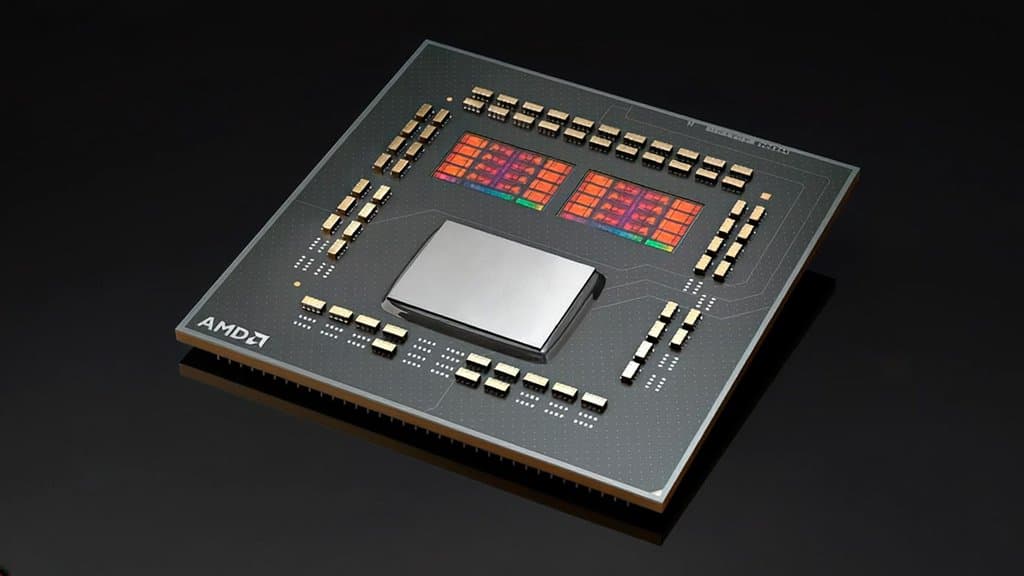
AMD mungkin sedang bersedia untuk membawa Multi-Frame Generation ke kad grafik Radeon, yang akan meletakkan teknologi FSR mereka lebih dekat dengan feature set Nvidia DLSS. Tapi ini bukan situasi mudah macam “more FPS = better”, bro.
Menurut perubahan yang dikesan dalam AMD ADLX 1.5 SDK, ada satu interface baharu dengan nama yang sangat AMD-style: IADLX3DFidelityDXFrameGenUpgradeRatioOption. Memang tak catchy langsung, tapi bahagian penting ialah perkataan ratio. Penambahan ini mencadangkan AMD mungkin sedang menyediakan pilihan yang membolehkan FidelityFX Super Resolution menjana lebih daripada frame generation x2 biasa.
Dalam bahasa manusia biasa: daripada mencipta satu frame tambahan antara frame sebenar, AMD mungkin membenarkan Radeon GPUs menjana beberapa frame, sama seperti Nvidia Multi-Frame Generation pada kad GeForce RTX yang lebih baharu.
Ini penting sebab Nvidia memang agresif push DLSS sebagai selling point besar, terutamanya pada GPU high-end seperti GeForce RTX 5080. Multi-frame generation boleh buat frame rate nampak jauh lebih tinggi dalam game yang menyokongnya, memang menarik kalau anda main title visual berat atas monitor high refresh-rate.
Tapi masalahnya jelas: bukan semua gamer suka generated frames.
Kenapa Radeon Fans Berbelah Bahagi
Bagi sesetengah PC players, pendekatan AMD sekarang sebenarnya sebahagian daripada tarikan dia. Kad Radeon selalu dilihat sebagai pilihan yang lebih straightforward: prestasi raster yang kuat, tak perlu terlalu bergantung pada AI tricks, dan biasanya value yang okay kalau harga kena.
Bila AMD tambah Multi-Frame Generation, ia masuk ke debat sama yang Nvidia sudah hadap sekian lama — adakah ini performance gain sebenar, atau sekadar “fake frames” yang buat FPS counter nampak lebih cantik?
Kritikan itu bukan random sangat pun. Frame generation boleh tingkatkan smoothness, tapi ia tak magically kurangkan input latency dengan cara yang sama seperti frame yang benar-benar dirender. Untuk game cinematic yang lebih perlahan, mungkin okay. Untuk competitive shooters, MOBAs, atau sesi ranked yang sweaty, latency dan frame pacing jauh lebih penting.
Ini sangat relevan untuk Malaysia dan SEA, di mana ramai gamer bina PC untuk campuran esports dan game AAA. Satu rig mungkin digunakan untuk Valorant, Dota 2, CS2, Monster Hunter, dan apa-apa game open-world besar yang baru keluar. Kalau Multi-Frame Generation nampak cantik dalam game single-player tapi rasa pelik dalam title competitive, pemain di sini perlu tahu bila patut on dan bila patut biarkan off.
Kad Radeon Lama Masih Jadi Tanda Tanya
Perubahan SDK itu juga menunjukkan sokongan mungkin datang melalui release driver Adrenalin akan datang, dengan game yang menyokong FSR 3.1.4 berpotensi menggunakan feature ini. Namun, sumber tersebut menyatakan kad RDNA 4 dengan kemampuan Machine Learning mungkin diperlukan.
Maksudnya pemilik Radeon GPU lama seperti RX 7900 XT dan RX 7900 XTX jangan celebrate dulu. Ada third-party tools dan projek DIY, termasuk app seperti Lossless Scaling, yang menunjukkan teknik gaya multi-frame boleh berfungsi di luar ekosistem Nvidia. Tapi sokongan rasmi lain cerita, terutamanya bila melibatkan latency, stability, dan integrasi tahap driver.
Untuk pembeli Malaysia, ini boleh mempengaruhi keputusan biasa Nvidia vs AMD. Kalau kad Radeon baharu dapat frame generation yang lebih baik sambil masih dijual dengan harga agresif, itu memang big deal untuk sesiapa yang shopping di Shopee, Lazada, atau kedai PC tempatan. Tapi kalau feature ini hanya berfungsi dengan baik pada GPU RDNA 4 terpilih, deal Radeon lama tak semestinya tiba-tiba jadi lebih future-proof.
AMD Perlu Settlekan Asas Dulu
Langkah paling bijak untuk AMD ialah jadikan feature ini optional, jelas, dan stabil. Radeon fans di Reddit nampaknya sudah cautiously interested, tapi ada juga yang lebih risau tentang isu frame pacing dan driver sedia ada yang perlu diperbaiki dahulu.
Honestly, fair. Frame tambahan yang dijana AI memang nice, tapi tiada siapa nak stutter yang cuma nampak lebih smooth. Kalau AMD roll out benda ini sebelum kemaskan pengalaman asas, reaksi mungkin agak sejuk.
Still, lebih banyak competition memang bagus. Kalau AMD boleh menawarkan Multi-Frame Generation tanpa membuat Radeon terasa seperti copy kepada pitch Nvidia yang heavy AI, PC gamers menang. Kuncinya ialah beri pemain kawalan — terutamanya kita di SEA yang ambil berat tentang value dan rasa gameplay sebenar.
Source: GamesRadar