Taruhan Cip Intel Apple Boleh Bentuk iPhone Masa Depan — Pembeli SEA Patut Pantau
Apple mungkin sedang bersedia untuk salah satu perubahan bekalan cip terbesarnya dalam beberapa tahun ini. Walaupun benda ni bunyi macam topik semiconductor nerd tahap dalam, ia akhirnya boleh memberi kesan kepada iPhone, Mac, dan peranti mobile gaming yang orang Malaysia betul-betul beli.
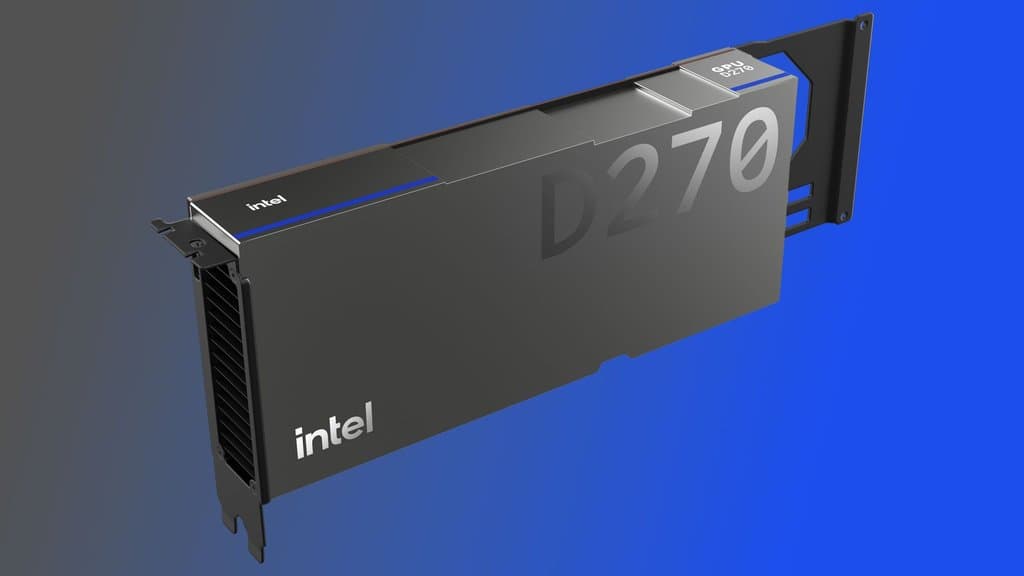
Menurut penganalisis Apple Ming-Chi Kuo, aturan foundry awal Apple dengan Intel memberi Intel peluang jarang untuk membina semula bisnes pembuatan cipnya. Deal ini masih belum dikunci sepenuhnya secara public, tapi ideanya mudah: Apple reka cip sendiri, manakala Intel boleh menghasilkan cip Apple silicon tertentu pada masa depan menggunakan teknologi proses yang lebih baharu.
Ini penting sebab Apple selama ini sangat bergantung pada TSMC untuk cip paling advanced mereka. TSMC masih dijangka menyimpan kebanyakan order advanced-node high-end Apple, tapi jelas Apple tak mahu bergantung pada satu supplier selamanya — lebih-lebih lagi bila demand AI dan high-performance computing sedang makan lebih banyak kapasiti cip cutting-edge.
Detail besar: kebanyakan order Intel Apple mungkin untuk cip iPhone
Kuo mendakwa kira-kira 80% order Apple yang berkaitan Intel sekarang terikat pada A21, cip yang dijangka untuk iPhone masa depan. Baki 20% pula dilaporkan melibatkan cip base M7, yang dijangka sekitar 2027.
Pembahagian itu memang masuk akal. iPhone ialah volume monster Apple. Kalau Apple sedang menguji Intel sebagai rakan pembuatan yang serius, pipeline cip iPhone ialah tempat scale sebenar berlaku.
Jangkaan semasa ialah Apple mungkin menggunakan proses 18A-P Intel untuk cip base M7 pada 2027. Untuk A21, yang dijangka sekitar 2028, Apple dilaporkan boleh memilih 18A-P Intel atau mungkin proses 14A Intel yang lebih advanced. Berdasarkan komen Kuo, 18A-P nampaknya laluan yang lebih berkemungkinan untuk A21 standard, manakala A21 Pro mungkin masih diuruskan oleh TSMC.
Jadi, jangan panic — ini tak bermaksud semua cip iPhone masa depan tiba-tiba dibuat oleh Intel. Bunyi dia lebih kepada Apple menyebarkan risiko merentas supplier sambil mengekalkan cip premium mereka rapat dengan TSMC.
Kenapa Malaysia dan SEA patut ambil tahu
Untuk pembeli Malaysia, ini bukan soal brand loyalty antara Intel dan TSMC. Ini soal supply, timing launch, dan tekanan harga.
Kalau Apple berjaya menambah Intel sebagai pilihan foundry utama kedua, produksi iPhone masa depan mungkin kurang terdedah kepada bottleneck di TSMC. Itu boleh jadi penting untuk pasaran SEA, di mana stok launch memang selalu jadi sakit kepala, terutamanya untuk model Pro dan warna storan popular. Sesiapa yang pernah cuba pre-order model iPhone panas dekat sini tahu drill dia — stok hilang laju, bundle telco jadi serabut, dan harga grey market boleh jadi gila untuk seketika.
Ada juga angle gaming. iPhone bukan sekadar device untuk flex lagi; ia sudah jadi hardware mobile gaming serius untuk tajuk seperti Genshin Impact, Honkai: Star Rail, Wuthering Waves, PUBG Mobile, Mobile Legends, dan port gaya console pada masa depan. Kalau Apple boleh mengekalkan peningkatan performance sambil memperbaiki kestabilan bekalan cip, gamer SEA akan dapat manfaat secara tidak langsung.
Tapi ada catch: Intel perlukan yield yang bagus. Kuo kata Intel menyasarkan untuk menstabilkan yield 18A-P sekitar 50% hingga 60% pada 2027. Itu nombor penting sebab yield yang lemah boleh bermaksud kos lebih tinggi, volume terhad, atau ramp produksi yang tertangguh. Apple memang terkenal ketat dengan standard manufacturing, jadi Intel tak boleh sekadar “okay lah” dekat sini — mereka kena deliver secara konsisten.
Apple sedang hedge sebelum tersepit
Bahagian menariknya, Apple dilaporkan sudah mula berbincang dengan Intel sebelum isu kapasiti advanced-node TSMC menjadi headache besar industri. Itu menunjukkan Apple nampak AI boom akan datang dan mahu leverage lebih awal.
TSMC sedang berada di bawah tekanan besar daripada cip AI dan pelanggan HPC. Kalau lebih banyak kapasiti pergi kepada workload tersebut, Apple perlukan laluan lain sebelum kuasa tawar-menawarnya menjadi lemah. Intel pula memang sangat perlukan pelanggan foundry flagship untuk membuktikan ia boleh bersaing semula di tahap tertinggi.
Ada juga beberapa bahagian lain yang sedang bermain. Apple dilaporkan sudah menerima sampel PDK Intel untuk penilaian 18A-P, dan GF Securities percaya Baltra ASIC Apple yang akan datang, dijangka pada 2027 atau 2028, mungkin menggunakan packaging EMIB Intel.
Bottom line: ini bukan revolusi iPhone semalaman. Tapi kalau Intel berjaya nail proses ini dan Apple mendapat second source yang reliable, iPhone dan Mac masa depan boleh jadi kurang tersekat dari segi supply. Untuk pembeli SEA, itu boleh bermaksud launch yang lebih smooth, stok lebih sihat, dan mungkin kurang markup awal pasaran yang ridiculous.
Sumber: Wccftech Gaming