Tiny AI PCs With 192GB RAM Are Starting to Get Serious
The small-PC scene is getting spicy again, and this week’s Liliputing roundup has a few developments worth watching if you’re into compact workstations, Linux phones, or just ridiculous hardware squeezed into tiny boxes.
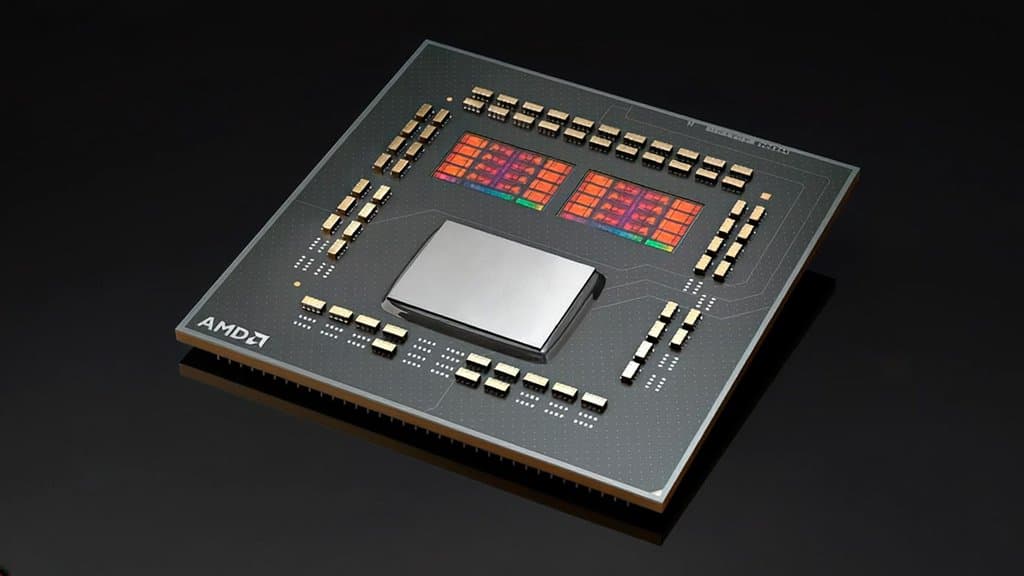
The headline grabber: small AI workstation-class PCs using AMD’s Ryzen AI Max+ 495 chips are beginning to show up. According to Liliputing, these systems can pair that chip with 40-core Radeon 8040S graphics and up to 192GB of unified memory.
That is a pretty wild spec sheet for machines being discussed in the “small PC” category. Unified memory matters because the CPU and GPU can access the same memory pool, which is especially useful for heavy creative, AI, and graphics workloads. No, this does not automatically mean every tiny box becomes a monster gaming rig overnight — but it does show how serious compact desktop hardware is becoming.
Analysis / inference for Malaysia and SEA readers: this kind of hardware could matter for creators, developers, modders, and small studios who want workstation-class performance without building a huge desktop tower. Think AI experimentation, local content production, 3D work, video editing, and dev workloads where desk space and power efficiency matter. The source does not mention Malaysia pricing, local availability, or launch timing, so don’t treat this as a local buying guide yet.
Another interesting bit: Chinese company Sixunited has a mini PC with a 0.15 liter chassis, which Liliputing says might make it one of the smallest systems yet to feature an Intel Wildcat Lake processor. That’s tiny-tiny, bro. At that size, the appeal is obvious: a PC that can potentially disappear behind a monitor, sit in a kiosk-style setup, or act as a super compact everyday machine.
Again, the key word is “might” — the source frames it as possibly among the smallest, not a confirmed world record. Still, it points toward a broader trend: mini PCs are no longer just basic office boxes. They are turning into genuinely interesting platforms across productivity, edge computing, and enthusiast tinkering.
The roundup also notes that mobile Linux distro postmarketOS is rebranding as Nura. The project was originally created as an operating system that could replace the software shipping on your phone, with the goal of extending device longevity. As the project approaches its 10th anniversary, the new name is meant to help with simpler branding, marketing, internationalization, and more.
That rebrand is more than cosmetic. Names matter for open-source projects, especially when they need to explain themselves to developers, translators, contributors, and curious users outside hardcore Linux circles. “postmarketOS” is descriptive, but it is also a bit technical and clunky. “Nura” is shorter, cleaner, and easier to carry into wider conversations.
Analysis / inference: for SEA readers who care about e-waste, repair culture, and keeping older phones useful for longer, projects like this are worth following. The source does not say anything about specific supported devices in Malaysia or SEA, so the practical value will still depend on hardware support.
Lastly, the title also flags the launch of the Onyx BOOX Picco. The provided source material only confirms that it launched, without additional specs or market details in the text we have here. So for now, the safe takeaway is simple: Onyx BOOX has another device in the mix, and e-reader fans may want to keep an eye out for fuller details.
Overall, this roundup is less about one massive product reveal and more about where personal computing is heading: smaller boxes, bigger memory ceilings, more AI-focused hardware, and open-source mobile software trying to become easier to understand.
For Malaysia and SEA tech fans, the exciting part is not “buy this now.” It is watching compact computing grow up fast — from cute desk toys into machines that could eventually handle serious creator and developer work.