GPU Battlemage Besar Intel Nampak Macam RTX 5060 Ti, Bukan Gaming Monster Yang Fans Harapkan
GPU Battlemage besar Intel akhirnya sudah diuji dalam game, dan hasilnya memang menarik… tapi juga agak sakit hati untuk sesiapa yang berharap Intel sebenarnya ada gaming beast tersembunyi dalam lab.
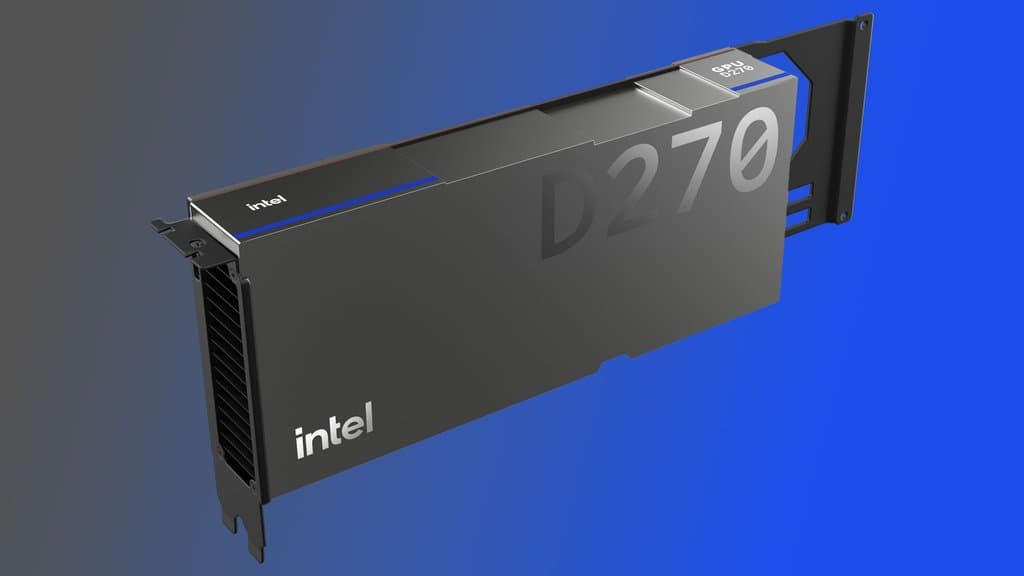
Kad yang dimaksudkan ialah Intel Arc Pro B70, dibina menggunakan cip Battlemage lebih besar yang dikenali sebagai G31. Ini bukan GPU sama yang digunakan dalam Arc B580, yang berjalan atas cip G21 lebih kecil. G31 ialah abang besar dia, dan untuk seketika peminat hardware PC tertanya-tanya sama ada ia boleh jadi kad gaming mid-to-high-end sebenar daripada Intel.
Menurut benchmark daripada outlet Jerman PCGamesHardware, jawapannya lebih kurang: tak juga. Dalam gaming raster biasa, Arc Pro B70 berada sekitar tahap yang sama dengan Nvidia RTX 5060 Ti 16GB. Prestasi itu bukanlah teruk, tapi ia juga jauh daripada pencabar kelas RTX 5070 yang sesetengah orang pernah harapkan.
Bila ray tracing atau path tracing masuk cerita, kad Intel jatuh lebih jauh di belakang RTX 5060 Ti. Itu penting sebab game AAA moden makin kuat bergantung pada lighting features, upscaling, dan ekosistem frame generation. Untuk gamer PC Malaysia yang nak build rig untuk setting gaya Cyberpunk, title Unreal Engine 5 masa depan, atau setup esports-plus-streaming besar, raw raster performance sahaja bukan lagi seluruh cerita.
Isu lebih besar ialah kos dan saiz cip. GPU G31 memang besar: 368 mm² pada node kelas TSMC N5. Nvidia RTX 5060 Ti menggunakan cip GB206, yang hanya 181 mm² pada proses yang hampir sama. Cip lebih kecil lebih murah untuk dibuat, lebih senang dijual pada harga mainstream, dan secara umum lebih masuk akal untuk kad gaming.
Perbandingan itu memang brutal untuk Intel. Cip RTX 5070 Nvidia, GB205, ialah 263 mm², manakala GB203 dalam RTX 5080 ialah 378 mm² — cuma sedikit lebih besar daripada G31 Intel. Jadi Intel menggunakan silicon hampir sebesar RTX 5080 tetapi mendapat prestasi gaming gaya RTX 5060 Ti. Dari sudut bisnes, boleh nampak kenapa Intel tidak menolak ini sebagai GPU gaming consumer.
Sebaliknya, Arc Pro B70 hadir sebagai kad gaya profesional dengan 32GB VRAM, lebih disasarkan kepada workload AI tempatan berbanding gaming. PC Gamer menyatakan kad ini berada sekitar US$1,000, iaitu lebih kurang RM4,700 sebelum cukai Malaysia, shipping, dan margin retailer. Untuk duit macam itu, gamer Malaysia mesti jangka kad 1440p yang sangat kuat atau sekurang-kurangnya entry 4K — bukan sesuatu yang bertukar tumbukan dengan pilihan Nvidia mid-range.
Ada satu caveat yang adil: Intel mungkin belum tune driver gaming G31 seagresif yang mereka akan buat untuk release Arc gaming sebenar. Tapi walaupun begitu, angka ini menunjukkan jurang terlalu besar untuk diselesaikan dengan magic software. G31 ada 32 Xe cores berbanding 20 pada G21, peningkatan 60% atas kertas. Namun dalam hasil benchmark, ia hanya 34% lebih laju daripada G21 dalam game raster. Sementara itu, RTX 5070 berada 87% di depan.
Jadi ya, driver lebih baik mungkin boleh improve keadaan, tapi ia tidak akan tiba-tiba menukar kad ini menjadi pembunuh RTX 5070. Untuk gamer SEA, takeaway dia mudah: Intel masih berbaloi untuk dipantau, terutama sebab Arc B580 menunjukkan syarikat ini boleh menawarkan value yang menarik. Tapi cip Battlemage yang lebih besar ini nampak lebih berguna untuk pembeli AI dan workstation berbanding rig gaming harian.
Comeback gaming Intel yang sebenar masih perlukan benda sama yang builder PC Malaysia selalu kisah: prestasi kuat untuk setiap ringgit. Arc Pro B70, sekurang-kurangnya berdasarkan benchmark gaming awal ini, tidak nampak seperti kad itu.
Sumber: PC Gamer